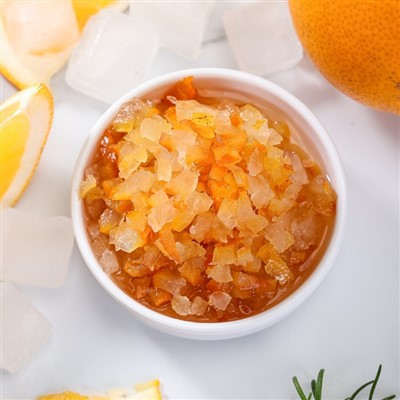
Are lemon sacs suitable for vegans? This is a question that has been floating around in the health - conscious and vegan communities. As a lemon sacs supplier, I've delved deep into this topic to provide you with a comprehensive answer.
What are lemon sacs?
Lemon sacs are essentially concentrated forms of lemon goodness. They come in various types, such as Lemon Fruit Pulp and Lemon Granules. The fruit pulp is a thick, rich form that retains much of the natural texture and flavor of fresh lemons. It's like having a jar of pure lemon essence, which can be used in a multitude of ways in the kitchen. On the other hand, lemon granules are a more dehydrated and powdered form. They are convenient for storage and easy to use, simply requiring rehydration when needed.
The vegan diet and its principles
Before we can determine if lemon sacs are suitable for vegans, it's important to understand what a vegan diet entails. Vegans follow a lifestyle that excludes the consumption of all animal products. This includes not only meat, poultry, and fish but also dairy, eggs, honey, and any other ingredients derived from animals. The reasons for adopting a vegan diet can vary from ethical concerns about animal welfare, environmental considerations, to health - related motives.
Analyzing the ingredients of lemon sacs
To assess the vegan - friendliness of lemon sacs, we need to closely examine their ingredients. In an ideal scenario, lemon sacs should only contain lemons and perhaps some minimal processing aids. Most high - quality lemon sacs are made from freshly squeezed lemons. The process usually involves extracting the juice and pulp from the lemons, and then concentrating it through methods like evaporation.
If the lemon sacs are made purely from lemons, they are inherently vegan. Lemons are a plant - based fruit, and there is no animal - derived ingredient in them. However, the devil is in the details. Some manufacturers might add certain additives during the processing. For example, some processing aids like clarifying agents could potentially be derived from animal sources. Gelatin, which is made from animal collagen, is sometimes used as a clarifying agent in food products.
As a supplier, I can assure you that our lemon sacs are made with strict vegan standards in mind. We use only plant - based processing aids, and there are no animal - derived ingredients in our products. Our Lemon Fruit Pulp and Lemon Granules are crafted from 100% pure lemons, ensuring that they meet the requirements of the vegan diet.
Health benefits for vegans
Lemon sacs can offer several health benefits for vegans. Lemons are an excellent source of vitamin C, which is crucial for a strong immune system. Vegans, like anyone else, need to maintain good health, and vitamin C plays a vital role in this. It helps the body absorb iron, which is especially important for vegans as plant - based iron sources are not as easily absorbed as animal - based ones.


Lemons also contain antioxidants, such as flavonoids, which can help protect the body against oxidative stress and reduce the risk of chronic diseases. Additionally, the citric acid in lemons can aid in digestion, which is beneficial for those following a high - fiber vegan diet.
Culinary uses for vegans
Lemon sacs are incredibly versatile in the vegan kitchen. The Lemon Fruit Pulp can be used to make delicious vegan dressings. You can mix it with olive oil, a bit of vinegar, and some herbs to create a zesty salad dressing. It can also be added to vegan desserts like lemon sorbet or vegan lemon meringue pie. The pulp adds a natural lemon flavor and a bit of texture to these treats.
The Lemon Granules are perfect for baking. You can sprinkle them into vegan bread recipes to give them a refreshing lemon taste. They can also be dissolved in water to make a quick and easy lemonade, which is a great thirst - quencher, especially during the hot summer months.
Environmental considerations
From an environmental perspective, lemon sacs can be a great option for vegans. The production of lemon sacs is generally more sustainable compared to some animal - based products. Growing lemons requires less land, water, and energy compared to raising livestock. Additionally, by using lemon sacs, which are a concentrated form of lemons, less packaging is needed compared to transporting and storing large volumes of fresh lemons. This reduces waste and the carbon footprint associated with transportation.
Addressing common concerns
Some vegans might be worried about the carbon footprint of the processing and transportation of lemon sacs. While it's true that any form of food processing and transportation has an environmental impact, we take steps to minimize it. We source our lemons from local farms whenever possible to reduce the distance they need to travel. Our processing facilities are also equipped with energy - efficient machinery to reduce energy consumption during the production of lemon sacs.
Conclusion
In conclusion, lemon sacs can be a great addition to a vegan diet. As long as they are made without any animal - derived ingredients, they are fully vegan - friendly. Our lemon sacs, including Lemon Fruit Pulp and Lemon Granules, are crafted with the highest vegan standards, offering a delicious and healthy plant - based option.
If you're a vegan looking to add some zesty lemon flavor to your meals, or if you're a food business owner interested in incorporating vegan - friendly ingredients into your products, we'd love to hear from you. Contact us to discuss your purchasing needs and explore how our lemon sacs can be a perfect fit for your requirements.
References
- "The Vegan Handbook" by Judy Krizmanic
- "The Environmental Impact of Food Production" - Journal of Sustainable Agriculture
- "Vitamin C and Immune Function" - American Journal of Clinical Nutrition