Can lemon dried peel be used in jams and jellies?
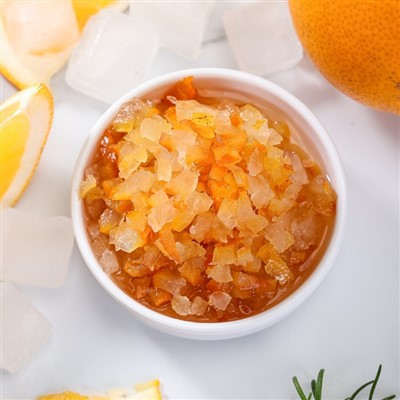
As a supplier of Lemon Dried Peel, I've often been asked about the viability of using our product in jams and jellies. The answer is a resounding yes! Lemon dried peel, also known as Dehydrated Lemon Rind, can bring a unique and delightful flavor profile to these sweet spreads.
The Flavor of Lemon Dried Peel
Lemon dried peel offers a concentrated and intense lemon flavor. Unlike fresh lemon peel, which has a more watery and immediate citrus taste, the drying process intensifies the natural oils and flavors of the lemon. This results in a more complex and robust lemon essence that can elevate the taste of jams and jellies.
The peel contains limonene, a compound that gives lemons their characteristic citrusy aroma. When used in jams and jellies, limonene adds a refreshing and zesty note that cuts through the sweetness of the fruit and sugar. Additionally, the peel has other flavor - enhancing compounds such as citral, which contributes to the lemon's floral and lemony undertones.
Nutritional Benefits
Beyond flavor, lemon dried peel also brings some nutritional value to jams and jellies. It is a good source of dietary fiber, which can aid in digestion. Fiber helps to regulate bowel movements and can contribute to a feeling of fullness, making the jams and jellies a bit more satisfying.
Lemon peel is also rich in antioxidants, such as flavonoids. These antioxidants can help protect the body's cells from damage caused by free radicals. In the context of jams and jellies, the antioxidants in lemon dried peel can potentially extend the shelf - life of the products by preventing oxidation and spoilage.
Using Lemon Dried Peel in Jams
When making jams, lemon dried peel can be used in several ways. One common method is to finely chop the peel and add it directly to the jam mixture during the cooking process. The heat helps to release the flavors of the peel and infuse them into the jam.
For example, if you're making a strawberry jam, adding a teaspoon or two of finely chopped Lemon Dried Peel can transform the taste. The lemon flavor will complement the sweetness of the strawberries and add a bright, citrusy note.
Another approach is to make a lemon peel syrup. Boil the dried peel in water for a few minutes, then strain the liquid and use it as a flavoring agent in the jam. This method allows for a more even distribution of the lemon flavor throughout the jam.
Using Lemon Dried Peel in Jellies
Jellies are typically made from fruit juice, so incorporating lemon dried peel requires a bit of creativity. One option is to make a lemon peel extract. Soak the dried peel in alcohol (such as vodka) for a few weeks. The alcohol will extract the flavors and essential oils from the peel. You can then add a small amount of this extract to the jelly mixture during the cooking process.
The lemon flavor from the extract will give the jelly a tangy and refreshing taste. For a grape jelly, a splash of lemon peel extract can add a new dimension to the traditional grape flavor, making it more interesting and complex.
Quality and Sourcing
As a supplier, we take great care in sourcing and processing our Lemon Dried Peel. We select only the highest - quality lemons, ensuring that the peel is free from pesticides and other contaminants. Our drying process is carefully controlled to preserve the natural flavors and nutritional properties of the peel.
We understand that the quality of the lemon dried peel is crucial for the success of jams and jellies. That's why we adhere to strict quality control measures at every step of the production process. From the moment the lemons are harvested to the final packaging of the dried peel, we ensure that our product meets the highest standards.


Compatibility with Different Fruits
Lemon dried peel is incredibly versatile and can be paired with a wide variety of fruits in jams and jellies. It works well with stone fruits like peaches and apricots. The lemon flavor cuts through the sweetness of these fruits and adds a zesty contrast.
It also pairs beautifully with berries. Whether it's raspberries, blueberries, or blackberries, the lemon dried peel can enhance the natural flavors of the berries and make the jams and jellies more vibrant.
Even tropical fruits like mangoes and pineapples can benefit from the addition of lemon dried peel. The citrusy note of the peel can balance the intense sweetness of these tropical fruits and create a more well - rounded flavor profile.
Market Demand
There is a growing market demand for unique and flavorful jams and jellies. Consumers are becoming more adventurous in their food choices and are looking for products that offer something different. Lemon dried peel provides an opportunity for jam and jelly makers to create innovative and delicious products that stand out in the market.
By using our Lemon Dried Peel, producers can differentiate their products and attract a wider customer base. Whether it's for artisanal food shops, farmers' markets, or large - scale food manufacturers, the addition of lemon dried peel can add value to jams and jellies.
Contact for Procurement
If you're a jam or jelly maker, a food manufacturer, or simply someone interested in using Lemon Dried Peel in your home - made spreads, we'd love to hear from you. We can provide you with high - quality Lemon Dried Peel at competitive prices. Whether you need a small quantity for a home project or a large volume for commercial production, we have the capacity to meet your needs.
Get in touch with us to discuss your requirements and start creating delicious, lemon - infused jams and jellies.
References
- "The Science of Flavor" by Harold McGee. This book provides in - depth information on the chemical compounds that contribute to the flavors of different foods, including lemons.
- "Food Chemistry" by Peter Fennema. It offers insights into the nutritional and chemical properties of food ingredients, such as lemon peel.
- Various industry reports on the trends in the jam and jelly market, which highlight the growing demand for unique and flavored products.