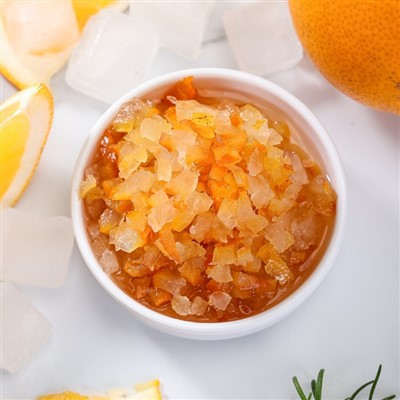
Hey there, fellow foodies! I'm an enthusiast in the world of unique food ingredients, and I'm also a supplier of Lemon Dried Peel. Today, I'm diving into a spicy topic (no pun intended): Can lemon dried peel be used in pizza toppings?
Let's start by chatting a bit about lemon dried peel itself. It's not your regular pizza topping, that's for sure. Lemon dried peel, also known as Dehydrated Lemon Rind, is the zest of lemons that has been carefully dried to preserve its intense flavor. For thousands of years, lemon peel has been used in cooking across different cultures, mostly in sweet and savory dishes like desserts, preserves, and marinades. It's renowned for its burst of citrusy flavor that can liven up any dish.
Now, pizza. Pizza is like the universal language of food. Whether you're into the classic Margherita, loaded with pepperoni, or a fan of some wild, gourmet combinations, there's a pizza out there for everyone. But lemon dried peel? That's a curveball. So, let's break down the idea of using it as a pizza topping.
Flavor Profile
The first thing we need to consider is how lemon dried peel tastes and how it might play with the other flavors on a pizza. Lemon dried peel has a sharp, tangy, and slightly bitter flavor that comes from the essential oils in the lemon zest. This flavor can be a real game - changer on a pizza.
For example, think about a pizza with a creamy cheese base, like ricotta or mozzarella. The tang of the lemon dried peel can cut through the richness of the cheese, adding a refreshing contrast. It's like when you squeeze a bit of lemon on a fatty fish; the lemon brightens up the whole dish.
If you pair it with some fresh herbs like basil or oregano, the lemon flavor can amplify the herbal notes, creating a more complex and aromatic taste. And for those meat - lovers out there, the lemon can help to balance the saltiness and richness of cured meats like prosciutto or salami. It's all about creating a harmony of flavors on that pizza.
Texture
Texture is another important aspect of a great pizza topping. Lemon dried peel has a dry, brittle texture. When you sprinkle it on a pizza, it can add a bit of crunch, which is a nice change from the softness of the cheese and the dough.
Imagine taking a bite of a pizza where the crust is crispy, the cheese is gooey, and then you get that little crunch from the lemon dried peel. It adds a whole new dimension to the eating experience. Plus, since it's dry, it won't make the pizza soggy like some other wet toppings can.
Health Benefits
Let's talk about the health side of things. Lemons are packed with vitamin C, antioxidants, and other beneficial compounds. When the lemon is dried into peel, many of these nutrients are still present. So, by adding lemon dried peel to your pizza, you're not just adding flavor; you're also getting a little nutritional boost.
Vitamin C is great for your immune system, and antioxidants can help protect your cells from damage. It might not turn your pizza into a health food, but it's a small way to make it a bit healthier.
Pizza Combinations with Lemon Dried Peel
Now, let's get into some actual pizza combinations that use lemon dried peel.
1. Lemon and Herb Pizza
This is a simple yet delicious option. Start with a thin crust and spread a layer of olive oil over it. Then, sprinkle some garlic powder and a bit of salt. Add a generous amount of fresh mozzarella cheese, and scatter some fresh basil leaves on top. Before baking, sprinkle a tablespoon or two of lemon dried peel over the pizza. The result is a light, fresh - tasting pizza that's perfect for a summer evening.
2. Lemon and Prosciutto Pizza
For this one, you'll want a thicker crust. Spread a thin layer of ricotta cheese on the crust. Top it with slices of prosciutto, some arugula, and a sprinkle of lemon dried peel. The saltiness of the prosciutto and the creaminess of the ricotta are balanced beautifully by the tang of the lemon and the peppery arugula.
3. Lemon and Seafood Pizza
If you're a seafood fan, this pizza is for you. Use a white sauce made from cream cheese and lemon juice as the base. Add some cooked shrimp, scallops, or calamari. Sprinkle some lemon dried peel, along with a bit of dill or parsley. The lemon flavor enhances the natural sweetness of the seafood, creating a unique and delicious pizza.
Potential Drawbacks
Of course, using lemon dried peel on pizza isn't all sunshine and rainbows. Some people might find the flavor too overpowering. The tangy and bitter notes can be a bit much for those who aren't used to strong citrus flavors.
Also, the texture might not be to everyone's liking. Some people prefer all their pizza toppings to be soft and melty, and the crunch of the lemon dried peel could be off - putting.
Market and Customer Interest
As a Lemon Dried Peel supplier, I've been keeping an eye on the market. There's definitely a growing interest in unique and exotic pizza toppings. People are always looking for something new to try, and lemon dried peel fits the bill.
Restaurants are starting to experiment with more creative pizza combinations, and I've heard from some chefs that lemon dried peel has been a hit with their customers. At home, home cooks are also getting more adventurous in the kitchen, and I think there's a big potential market for lemon dried peel as a pizza topping.
Conclusion
So, can lemon dried peel be used in pizza toppings? Absolutely! It offers a unique flavor, an interesting texture, and some health benefits. While it might not be for everyone, for those who are willing to step outside the box, it can take their pizza game to a whole new level.


If you're a restaurant owner, a pizza maker, or just a home cook looking to spice up your pizzas, I'd love to talk to you about our high - quality Lemon Dried Peel and Dehydrated Lemon Rind. We source the freshest lemons and use a special drying process to ensure the best flavor and quality. Contact us to discuss your needs, and let's create some amazing pizzas together!
References
- "The Flavor Bible" by KarenPage and Andrew Dornenburg.
- "The Science of Good Food" by Harold McGee.