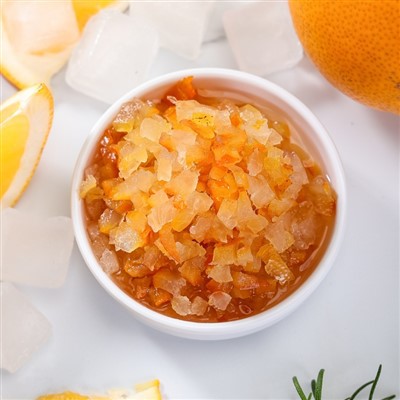
Do orange pulp cells have a cell wall?
As a professional in the world of orange pulp cells, I've fielded numerous inquiries about the intricacies of these fascinating biological entities. One of the most common questions that pops up is, "Do orange pulp cells have a cell wall?" In this blog post, we'll take a deep - dive into this question, exploring the science behind it, and how it relates to our offerings as Orange Pulp Cells suppliers.
Let's first grasp what orange pulp cells are. Orange pulp is the fibrous, juicy part of the orange Orange Pulp. It consists of millions of individual cells that come together to form the characteristic texture and flavor we associate with the fruit. Orange pulp cells are derived from the citrus sacs Orange Citrus Sac within the orange's segments and make up a significant portion of the fruit's flesh Orange Flesh.
To answer the central question, yes, orange pulp cells do have a cell wall. Before delving deeper into the nature of these cell walls, it's essential to understand their role in the life of the cell. A cell wall serves multiple functions. Firstly, it provides structural support and protection for the cell. This is crucial as it helps the cell maintain its shape and prevents it from bursting under the pressure of the fluid inside. For orange pulp cells, the cell wall is a key factor in maintaining the firmness and integrity of the pulp.
The cell wall of orange pulp cells is primarily composed of cellulose, hemicellulose, and pectin. Cellulose is a long - chain polymer of glucose molecules arranged in a parallel manner to form strong microfibrils. These microfibrils create a rigid framework that gives the cell wall its mechanical strength. Hemicellulose then acts as a binding agent between the cellulose microfibrils, further enhancing the stability of the cell wall.
Pectin, on the other hand, is a gel - forming polysaccharide. It plays a vital role in the texture of orange pulp. Pectin gives the pulp its characteristic juiciness and also contributes to the firmness of the orange segments. When we bite into an orange, the pectin in the cell walls helps to release the cell's contents in a controlled manner, providing that refreshing burst of juice.
Throughout the development of the orange, the composition and structure of the cell wall change. In the early stages of fruit growth, the cell walls are relatively thin and flexible, allowing the cells to divide and expand. As the orange matures, the cell walls thicken, and the pectin content changes, leading to an improvement in the fruit's texture and storage quality.
From a supplier's perspective, understanding the cell wall of orange pulp cells is of utmost importance. It directly impacts the quality and shelf - life of our products. For example, if the cell walls are too weak, the pulp may degrade quickly, leading to spoilage and a loss of quality. On the other hand, a well - structured cell wall can ensure that our orange pulp products remain fresh and appealing for a longer time.
Moreover, the cell wall can also influence the processing of orange pulp. During the extraction and filtration processes, the integrity of the cell wall affects how easily the juice can be separated from the pulp. If the cell walls are intact, it might require more energy and advanced processing techniques to extract the juice. Our team of experts is well - versed in these processes and can ensure that we produce high - quality orange pulp products while maintaining the natural properties of the cell walls.
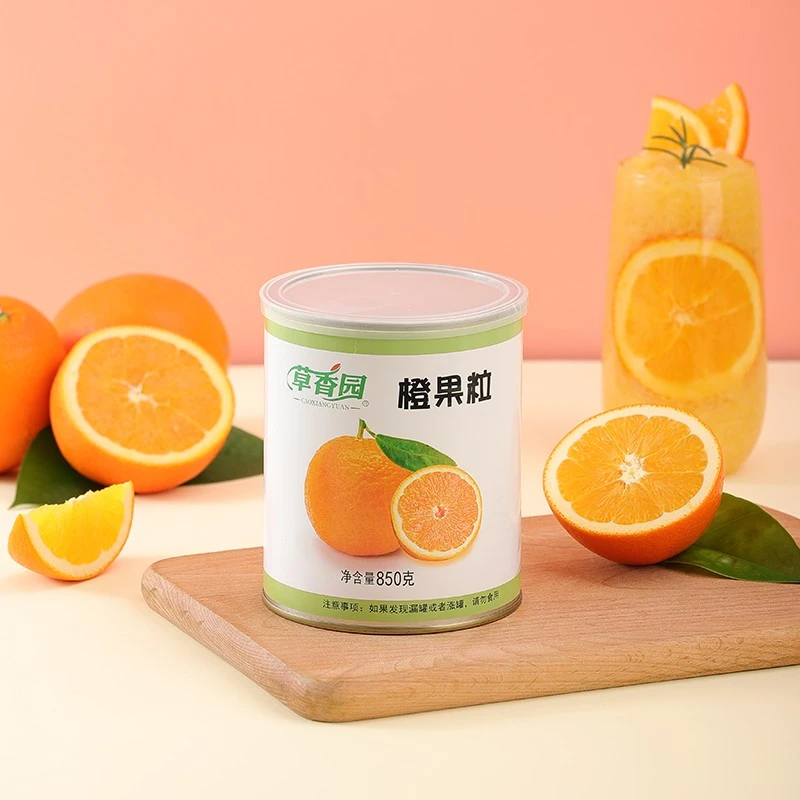

When it comes to applications, the fact that orange pulp cells have a cell wall has far - reaching implications. In the food industry, the cell wall can act as a natural barrier that helps in the retention of nutrients and flavors within the cell. This is beneficial for creating products like orange juice concentrates, jams, and preserves. The cell wall can also add a unique texture to these products, making them more appealing to consumers.
In the pharmaceutical and nutraceutical industries, the pectin in the cell wall has been studied for its potential health benefits. Pectin has been shown to have cholesterol - lowering properties and can also act as a prebiotic, promoting the growth of beneficial gut bacteria. Our orange pulp cells can serve as a natural source of this valuable compound.
As an Orange Pulp Cells supplier, we are committed to providing the highest quality products. We source our oranges from carefully selected orchards where the fruits are grown under optimal conditions. Our state - of - the - art processing facilities ensure that the cell walls of the orange pulp cells are preserved during the extraction and packaging processes.
If you are in the food, pharmaceutical, or any other industry that could benefit from our top - notch orange pulp cells, we invite you to reach out to us. We are ready to engage in discussions about your specific needs and how our products can meet them. Whether you are looking for a consistent supply for large - scale production or need a customized solution, we have the expertise and resources to assist you.
In conclusion, the cell wall of orange pulp cells is a remarkable structure that plays a crucial role in the life of the cell, the quality of orange products, and a wide range of applications. Understanding it is essential for both scientists and industry professionals. If you have any questions or are interested in starting a procurement discussion, don't hesitate to get in touch with us. We look forward to exploring potential partnerships and bringing the goodness of our orange pulp cells to your projects.
References
- Taiz, L., & Zeiger, E. (2010). Plant Physiology. Sinauer Associates.
- Kays, S. J. (1997). Postharvest Physiology of Perishable Plant Products. CRC Press.