Does citrus juice have any impact on skin aging?
As a supplier of high - quality citrus juice, I've often been asked about the potential effects of citrus juice on skin aging. In this blog, I'll delve into the scientific aspects of this topic, exploring whether citrus juice can truly make a difference in how our skin ages.
The Nutritional Composition of Citrus Juice
Citrus fruits, such as oranges, lemons, limes, and grapefruits, are well - known for their rich nutritional profiles. When squeezed into juice, they retain many of these beneficial components.
One of the most prominent nutrients in citrus juice is vitamin C. Vitamin C, also known as ascorbic acid, is a powerful antioxidant. Antioxidants play a crucial role in protecting our cells from damage caused by free radicals. Free radicals are unstable molecules that can cause oxidative stress in the body, which is linked to various aging processes, including skin aging. Oxidative stress can damage collagen and elastin fibers in the skin, leading to the formation of wrinkles, fine lines, and sagging skin. Vitamin C helps neutralize free radicals, thereby reducing the oxidative damage to the skin.
In addition to vitamin C, citrus juice contains other antioxidants like flavonoids. Flavonoids have anti - inflammatory properties. Chronic inflammation in the body can contribute to premature skin aging. By reducing inflammation, flavonoids in citrus juice may help maintain the skin's youthful appearance. For example, hesperidin, a flavonoid found in oranges, has been shown to have antioxidant and anti - inflammatory effects that can be beneficial for the skin.
Moreover, citrus juice is a good source of water. Staying hydrated is essential for healthy skin. When the skin is well - hydrated, it appears plump and smooth. Dehydrated skin, on the other hand, is more likely to show signs of aging, such as dryness and dullness. Drinking citrus juice can contribute to our daily water intake, helping to keep the skin hydrated from the inside out.
Scientific Studies on Citrus Juice and Skin Aging
Several scientific studies have explored the relationship between citrus juice consumption and skin health.
A study published in a dermatology journal conducted on a group of middle - aged women found that those who consumed a certain amount of citrus juice regularly for a period of six months showed improvements in skin elasticity. The researchers attributed this to the high vitamin C content in the citrus juice, which helps in the synthesis of collagen. Collagen is a protein that provides structure and firmness to the skin. As we age, collagen production naturally decreases, leading to skin sagging. The vitamin C in citrus juice stimulates collagen production, which can help maintain skin elasticity.
Another research project focused on the anti - inflammatory effects of citrus flavonoids on the skin. The study used in vitro models to demonstrate that the flavonoids in citrus juice could inhibit the production of inflammatory cytokines in skin cells. These cytokines are involved in the inflammatory response that can damage the skin over time. By reducing their production, citrus flavonoids may help prevent the premature aging of the skin.
How to Incorporate Citrus Juice into Your Diet for Skin Benefits
There are several ways to enjoy citrus juice and potentially reap its skin - aging benefits.
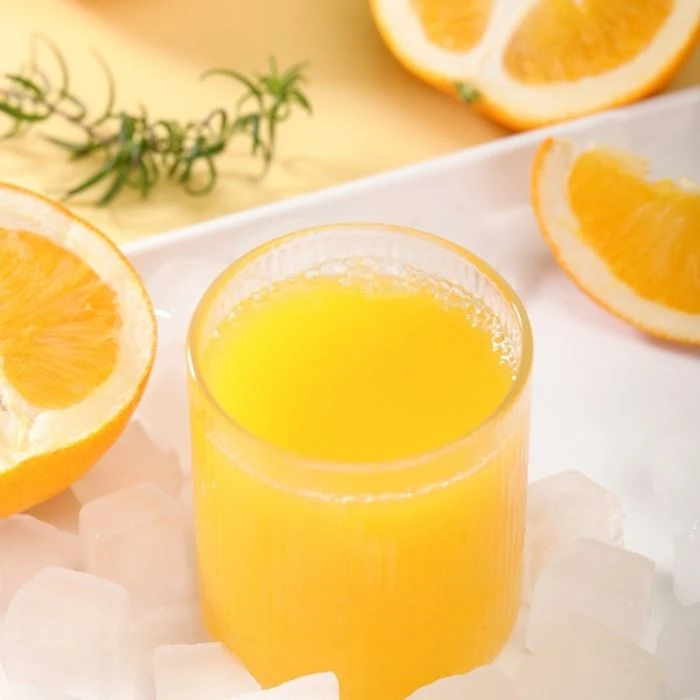
You can start your day with a glass of freshly squeezed orange juice. Fresh Squeezed Citrus Juice is a great option as it retains the maximum amount of nutrients. The natural enzymes and antioxidants in fresh juice are more active compared to processed juices.
If you prefer a sweeter taste, Sweet Citrus Juice is a good choice. It combines the natural sweetness of citrus fruits with their health benefits. You can drink it as a standalone beverage or use it as a base for smoothies. Adding some berries or yogurt to a glass of sweet citrus juice can create a delicious and nutritious smoothie that is not only good for your skin but also a great energy booster.
For those who want a more natural and minimally processed option, NFC Citrus Juice (Not From Concentrate) is ideal. NFC juice is made directly from the fruit without the need for re - hydration from a concentrate, ensuring that the juice has a high nutrient content.
Precautions When Consuming Citrus Juice for Skin Health
While citrus juice has many potential benefits for skin aging, there are also some precautions to keep in mind.
Citrus juice is acidic, and excessive consumption can cause dental problems such as enamel erosion. It's advisable to drink citrus juice through a straw to minimize contact with the teeth. Also, some people may be allergic to citrus fruits. If you experience any allergic reactions such as itching, swelling, or difficulty breathing after consuming citrus juice, you should stop drinking it immediately and consult a doctor.
Conclusion
In conclusion, citrus juice does have a positive impact on skin aging. The high vitamin C and antioxidant content in citrus juice can help protect the skin from oxidative damage, stimulate collagen production, and reduce inflammation. By incorporating citrus juice into your diet in a proper and balanced way, you may be able to slow down the visible signs of skin aging.

As a citrus juice supplier, I'm committed to providing high - quality citrus juice products that can contribute to your skin health and overall well - being. If you're interested in learning more about our citrus juice offerings or would like to start a procurement discussion, please feel free to reach out. We look forward to working with you to bring the benefits of citrus juice to your table.
References
- Dermatology Journal study on citrus juice and skin elasticity
- Research project on anti - inflammatory effects of citrus flavonoids on skin cells