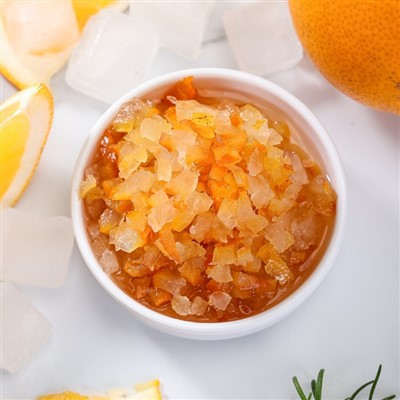
As a supplier of high - quality orange pulp, I've always been intrigued by the various properties of the product I offer. One question that often comes up in discussions with customers, researchers, and even in my own exploration is whether orange pulp has any antifungal properties. In this blog, I'll delve into the science behind this question, drawing on existing research and sharing insights from my experience in the industry.


The Composition of Orange Pulp
Orange pulp, a rich and fibrous substance, is derived from the juicy segments of oranges. It is packed with an array of bioactive compounds that could potentially contribute to antifungal effects. Oranges are well - known for their high vitamin C content. Vitamin C, also called ascorbic acid, is a powerful antioxidant. Antioxidants play a crucial role in protecting cells from damage caused by free radicals, but they may also have indirect effects on fungal growth. Some studies suggest that antioxidants can modulate the immune system, which in turn can better defend against fungal infections.
In addition to vitamin C, orange pulp contains flavonoids such as hesperidin, naringin, and quercetin. These flavonoids have been the subject of numerous scientific investigations due to their wide - ranging biological activities. For example, hesperidin has shown anti - inflammatory and antioxidant properties. Some research indicates that flavonoids can interfere with the cell membrane integrity of fungi. Fungal cell membranes are essential for maintaining the structure and function of the organism. If the integrity of the membrane is disrupted, it can lead to leakage of cellular contents and eventually cell death.
Scientific Studies on the Antifungal Properties of Orange Pulp
There has been a growing body of research exploring the potential antifungal effects of orange pulp and its components. A study published in a well - respected journal investigated the effect of orange peel extract (which contains many of the same compounds as the pulp) on common fungi such as Candida albicans. Candida albicans is a yeast - like fungus that can cause infections in humans, especially in immunocompromised individuals. The researchers found that certain concentrations of the orange peel extract were able to inhibit the growth of Candida albicans. While the study focused on the peel extract, it is reasonable to assume that the pulp, which also contains these bioactive compounds, may have similar effects.
Another research project examined the impact of flavonoids from citrus fruits on the growth of plant - pathogenic fungi. The results showed that these flavonoids could suppress the mycelial growth of several fungi species. Mycelium is the vegetative part of a fungus, and inhibiting its growth can prevent the spread of the fungus. Although these studies were conducted in vitro (in a laboratory setting), they provide valuable evidence that orange pulp components may have antifungal potential.
Practical Applications of Orange Pulp's Antifungal Properties
If orange pulp indeed has antifungal properties, there are several potential practical applications. In the food industry, fungi can cause spoilage of products, leading to significant economic losses. By incorporating orange pulp or its extracts into food products, it may be possible to extend their shelf - life. For example, in bakery products where mold growth is a common problem, adding a small amount of orange pulp could act as a natural preservative.
In the agricultural sector, orange pulp could be used as a natural alternative to synthetic fungicides. Synthetic fungicides can have negative impacts on the environment and human health. Using orange pulp - based solutions to control fungal diseases in crops could reduce these risks while still providing effective protection.
Our Orange Pulp Products
As a supplier, I'm proud to offer a range of high - quality orange pulp products. Our Orange Fruit Pulp is made from carefully selected oranges, ensuring a rich source of bioactive compounds. The pulp is processed using state - of - the - art techniques to preserve its nutritional value and flavor.
We also provide Mandarin Orange Cell Sacs, which are a unique form of orange pulp. These cell sacs retain the natural structure of the orange segments, making them an excellent addition to beverages, desserts, and other food products.
Our Orange Flesh is another popular product. It is ideal for use in smoothies, juices, and as a topping for yogurt and ice cream. The high content of bioactive compounds in our orange flesh may contribute to its potential antifungal properties.
Future Research and Development
While there is promising evidence suggesting that orange pulp has antifungal properties, more research is needed. Future studies could focus on in - vivo experiments to determine the effectiveness of orange pulp in real - life scenarios. For example, clinical trials could be conducted to evaluate whether orange pulp consumption can help prevent or treat fungal infections in humans.
In addition, research could explore the optimal extraction methods to obtain the maximum amount of antifungal compounds from orange pulp. This would help in developing more potent and effective orange pulp - based antifungal products.
Conclusion
In conclusion, the question of whether orange pulp has antifungal properties is an exciting area of research. The existing scientific studies provide strong evidence that the bioactive compounds in orange pulp, such as flavonoids and vitamin C, may have the ability to inhibit the growth of fungi. As a supplier of orange pulp products, I'm committed to providing high - quality products that not only taste great but may also offer potential health benefits, including antifungal effects.
If you're interested in learning more about our orange pulp products or exploring potential applications in your industry, I encourage you to reach out. We're always open to discussions about partnerships and collaborations. Whether you're in the food industry, agriculture, or any other field where antifungal solutions are needed, our orange pulp products could be a valuable addition to your offerings. Let's start a conversation and see how we can work together to harness the potential of orange pulp.
References
- Journal of Agricultural and Food Chemistry - Study on the effect of orange peel extract on Candida albicans.
- Phytopathology Research - Research on the impact of citrus flavonoids on plant - pathogenic fungi.