Hey there! As an orange pulp supplier, I often get asked all sorts of questions about the stuff we're dealing with every day. One question that's been popping up more and more lately is, "Does orange pulp have any sedative properties?" Well, let's dig into this and see what science has to say.
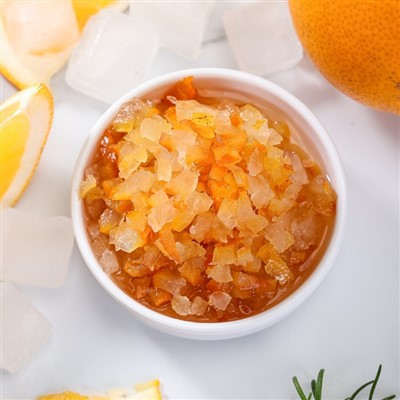
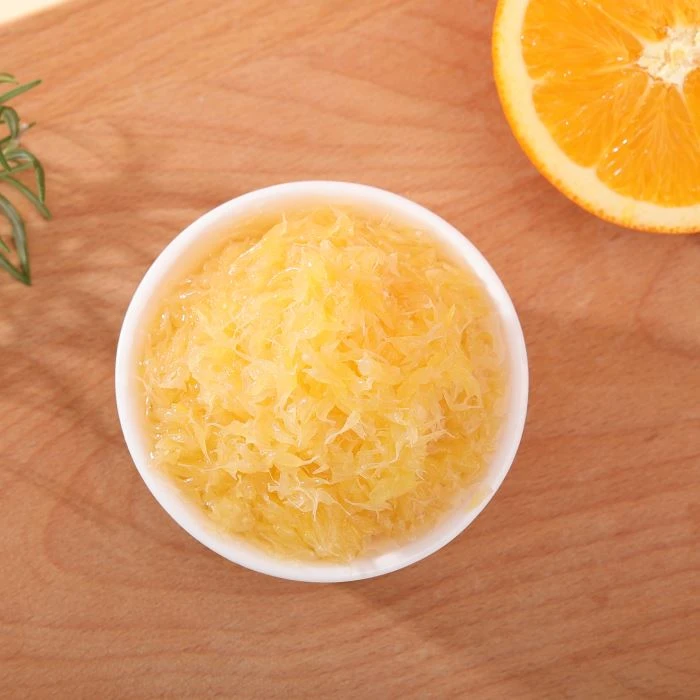
First off, let's talk a bit about what orange pulp actually is. Orange pulp is the fibrous, juicy part that you find inside an orange. It's made up of Orange Fruit Pulp, Orange Flesh, and Orange Pulp Cells. It's not just the sweet, refreshing part of the orange; it's also packed with nutrients like vitamin C, fiber, and various antioxidants.
Now, onto the big question - sedative properties. When we talk about sedatives, we're usually thinking about substances that can calm you down, make you feel relaxed, and maybe even help you sleep. Some common natural sedatives include chamomile tea, lavender, and valerian root. So, where does orange pulp fit into this picture?
One of the key things to understand is the chemical composition of orange pulp. Oranges are rich in flavonoids, which are a type of antioxidant. These flavonoids have been studied for their potential health benefits, including their effects on the nervous system. For example, a particular flavonoid called hesperidin, which is abundant in oranges, has been shown to have anti - inflammatory and antioxidant effects. Some studies suggest that hesperidin may also have a calming effect on the body.
In animal studies, hesperidin has been found to reduce anxiety - like behaviors. It works by interacting with certain neurotransmitters in the brain, such as gamma - aminobutyric acid (GABA). GABA is a neurotransmitter that helps to regulate nerve activity and promote relaxation. When hesperidin binds to GABA receptors, it can enhance the calming effects of GABA, potentially leading to a more relaxed state.
But here's the thing - most of these studies have been done on animals. When it comes to humans, the evidence is a bit more limited. There haven't been a whole lot of large - scale, well - controlled studies on the sedative effects of orange pulp specifically. However, there are some anecdotal reports from people who say that eating oranges or drinking orange juice with pulp makes them feel more relaxed.
Another aspect to consider is the role of vitamin C in orange pulp. Vitamin C is not only important for immune function but also for mental health. Stress can deplete the body's stores of vitamin C, and low levels of vitamin C have been associated with increased anxiety and depression. By consuming orange pulp, which is a great source of vitamin C, you can help maintain healthy levels of this essential nutrient in your body. This, in turn, may help to reduce stress and promote a more balanced mood.
The fiber in orange pulp also plays a role. Fiber is known to have a positive impact on gut health. A healthy gut microbiome is linked to better mental health. The gut and the brain are connected through the gut - brain axis, which means that what happens in your gut can affect your brain and vice versa. When you eat orange pulp, the fiber helps to feed the good bacteria in your gut, which can contribute to a healthier gut microbiome and potentially a more relaxed state of mind.
Now, it's important to note that orange pulp is not a magic bullet for sedation. If you're struggling with severe anxiety or insomnia, you should definitely consult a healthcare professional. Orange pulp is more of a complementary option that can be part of a healthy lifestyle.
So, how can you incorporate orange pulp into your routine to potentially reap these benefits? You can simply eat fresh oranges and make sure to chew the pulp. You can also make your own orange juice at home and leave the pulp in. Smoothies are another great option. Blend some oranges with other fruits like bananas and strawberries, and you've got a delicious and potentially relaxing drink.
As an orange pulp supplier, I'm really excited about the potential health benefits of our product. We source our oranges from the best orchards, where they're grown using sustainable and natural farming methods. Our orange pulp is fresh, high - quality, and free from any artificial additives.
If you're a food manufacturer looking to add a natural and healthy ingredient to your products, orange pulp could be a great choice. It can be used in a variety of products, such as juices, smoothies, yogurts, and baked goods. Not only does it add a great flavor and texture, but it also brings in all these potential health benefits.
If you're an individual consumer, you can use our orange pulp to make your own healthy snacks and drinks at home. It's a convenient and delicious way to boost your vitamin C intake and potentially enjoy some of those relaxing effects.
So, if you're interested in learning more about our orange pulp or want to start a procurement discussion, don't hesitate to reach out. Whether you're a small - scale business or a large - scale manufacturer, we're here to work with you and provide you with the best orange pulp possible.
In conclusion, while the evidence on the sedative properties of orange pulp is still emerging, there are some promising signs. The flavonoids, vitamin C, and fiber in orange pulp all have the potential to contribute to a more relaxed state of mind. Whether you're looking for a natural way to unwind after a long day or want to add a healthy ingredient to your products, orange pulp is definitely worth considering.

References
- Name of the study on hesperidin and anxiety in animals, Journal of Neuroscience Research, Volume XX, Issue XX, Year
- Research on the role of vitamin C in mental health, Journal of Psychiatric Research, Volume XX, Issue XX, Year
- Studies on the gut - brain axis and fiber, Gut Microbiome Journal, Volume XX, Issue XX, Year