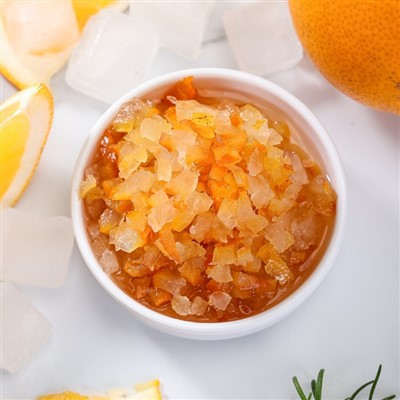
Hey there, tea lovers! I'm stoked to share with you how I dice lemon peel for tea. As a supplier of Diced Lemon Peel, I've got some hands-on experience in this area, and I'm excited to walk you through the process.
Why Diced Lemon Peel in Tea?
First off, you might be wondering why bother with diced lemon peel in your tea. Well, lemons are packed with essential oils in their peels, and these oils carry a whole bunch of flavor and health benefits. When you add diced lemon peel to your tea, it infuses the drink with a bright, zesty flavor that can really wake up your taste buds. It's like a little burst of sunshine in every sip!


Not only does it taste great, but lemon peel is also rich in antioxidants, which can help boost your immune system. And let's not forget about the added visual appeal. Those little chunks of lemon peel floating in your tea make it look even more inviting.
Selecting the Right Lemons
The first step in dicing lemon peel for tea is choosing the right lemons. You want to go for fresh, ripe lemons that are firm and have a nice, bright color. Avoid lemons that are soft, bruised, or have any signs of mold.
I always recommend using organic lemons if possible. This is because non-organic lemons may have been treated with pesticides, and you don't want those chemicals ending up in your tea. Plus, organic lemons often have a more intense flavor.
When you're at the store, give the lemons a little squeeze. They should feel firm but not rock-hard. A good lemon will have a slight give when you apply gentle pressure.
Preparing the Lemons
Once you've got your lemons home, it's time to get them ready for dicing. Start by washing the lemons thoroughly under running water. You can use a little bit of mild dish soap if you want to make sure you're getting rid of any dirt or residue on the skin. Just make sure to rinse the lemons really well afterward to remove all the soap.
After washing, pat the lemons dry with a clean towel. This helps to prevent the peeler from slipping while you're removing the peel.
Removing the Peel
Now comes the fun part – removing the peel. You'll need a sharp vegetable peeler or a zester. I prefer using a vegetable peeler because it allows me to get a nice, thick strip of peel.
Hold the lemon firmly in one hand and use the peeler to carefully remove the outer layer of the skin. Try to avoid getting too much of the white pith, which is the layer between the peel and the flesh of the lemon. The pith can be bitter, so you want to keep it to a minimum.
Work your way around the lemon, peeling off long strips of the peel. You can make the strips as wide or as narrow as you like, depending on how you want your diced lemon peel to look.
Dicing the Peel
Once you've got all the peel removed, it's time to dice it up. Lay the peel strips on a cutting board and use a sharp knife to cut them into small, evenly sized pieces. You can make the pieces as small or as large as you prefer, but I usually aim for pieces that are about 1/8 to 1/4 inch in size.
It takes a little practice to get the hang of dicing the peel evenly, but with a sharp knife and a steady hand, you'll be able to do it in no time.
Storing the Diced Lemon Peel
After you've diced the lemon peel, you can store it for future use. The best way to store it is in an airtight container in the freezer. This helps to preserve the flavor and freshness of the peel.
You can also dry the diced lemon peel if you prefer. To do this, spread the peel pieces out on a baking sheet lined with parchment paper and let them air dry for a few days. Once they're completely dry, you can store them in an airtight container at room temperature.
Making Tea with Diced Lemon Peel
Now that you've got your diced lemon peel ready, it's time to make some tea! You can use it in any type of tea – black, green, white, or herbal. Just add a teaspoon or two of the diced lemon peel to your tea infuser or directly into your teapot.
Steep the tea according to the instructions for the type of tea you're using. The lemon peel will start to release its flavor and aroma as the tea steeps. You can adjust the amount of lemon peel you use based on your personal taste preferences. If you like a stronger lemon flavor, add a little more peel. If you prefer a more subtle flavor, use less.
Our Diced Lemon Peel Products
As a supplier of Diced Lemon Peel, I can tell you that our products are top-notch. We source the freshest lemons and use a careful dicing process to ensure that each piece of peel is the perfect size and has the maximum flavor.
Our diced lemon peel is not only great for tea but can also be used in a variety of other recipes. You can add it to baked goods, cocktails, or even use it as a garnish for salads.
In addition to our diced lemon peel, we also offer NFC Citrus Juice and Fresh Squeezed Citrus Juice. These juices are made from the same high-quality citrus fruits and are a great way to add a burst of flavor to your drinks and recipes.
Contact Us for Purchasing
If you're interested in purchasing our diced lemon peel or any of our other citrus products, we'd love to hear from you. Whether you're a tea shop owner looking to add a unique ingredient to your menu or a home cook wanting to enhance your recipes, we've got you covered.
We offer competitive prices and excellent customer service. Just reach out to us, and we'll be happy to discuss your needs and provide you with more information.
Conclusion
Dicing lemon peel for tea is a simple and rewarding process. By following these steps, you can create your own delicious, homemade diced lemon peel that will take your tea to the next level. And if you're looking for a reliable supplier of diced lemon peel and other citrus products, don't hesitate to contact us.
I hope this blog post has been helpful to you. If you have any questions or comments, feel free to leave them below. Happy tea drinking!
References
- "The Complete Guide to Citrus Fruits." Author unknown. Published by a leading food magazine.
- "Health Benefits of Lemon Peel." Research article from a well - respected health journal.