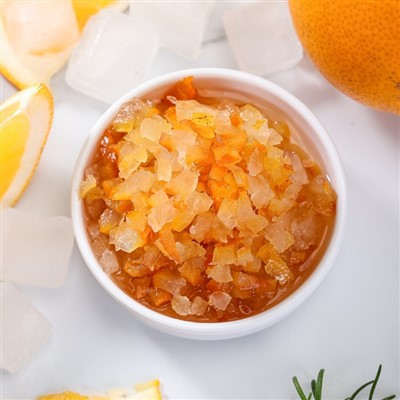
Making orange fruit pulp pudding is a delightful and rewarding culinary experience that combines the natural sweetness of oranges with the creamy texture of pudding. As an Orange Fruit Pulp supplier, I'm excited to share with you a step-by-step guide on how to create this delicious treat.
Ingredients
- 2 cups of Orange Pulp [/orange-sacs/mandarin-orange-sacs/orange-pulp.html]
- 1 cup of fresh orange juice
- 1/2 cup of sugar (adjust according to your taste preference)
- 1/4 cup of cornstarch
- 2 cups of milk
- 1 teaspoon of vanilla extract
- A pinch of salt
- Optional: Mandarin Orange Cell Sacs [/orange-sacs/mandarin-orange-sacs/mandarin-orange-cell-sacs.html] for garnish
Step 1: Prepare the Orange Pulp
Start by selecting high-quality oranges. You can use the Orange Flesh [/orange-sacs/mandarin-orange-sacs/orange-flesh.html] from our premium range. Wash the oranges thoroughly and peel them. Remove the white pith as much as possible, as it can add a bitter taste. Then, separate the segments and remove the seeds. Put the orange segments into a blender and blend until you get a smooth pulp. You can strain the pulp through a fine-mesh sieve to remove any remaining bits of membrane if you prefer a smoother texture, but I find that leaving some of the natural texture in the pulp adds to the charm of the pudding.
Step 2: Make the Orange Juice Mixture
In a medium-sized saucepan, combine the fresh orange juice, sugar, and cornstarch. Whisk the mixture well to ensure that the cornstarch is completely dissolved and there are no lumps. The sugar will sweeten the pudding, while the cornstarch acts as a thickening agent. Add a pinch of salt to enhance the flavors.
Step 3: Cook the Mixture
Place the saucepan over medium heat and bring the orange juice mixture to a gentle boil, stirring constantly. As the mixture heats up, it will start to thicken. Keep stirring for about 2 - 3 minutes after it boils to ensure that the cornstarch is fully cooked. The mixture should become a thick, custard-like consistency. If it thickens too quickly and becomes too thick, you can add a little more orange juice or milk to thin it out.
Step 4: Add the Orange Pulp and Milk
Once the orange juice mixture has reached the desired thickness, remove the saucepan from the heat. Gradually pour in the milk while whisking continuously. This will help to cool down the mixture slightly and prevent the milk from curdling. Then, add the orange pulp that you prepared earlier and the vanilla extract. Stir well to combine all the ingredients evenly. The vanilla extract will add a lovely aroma and a hint of sweetness to the pudding.
Step 5: Pour into Containers
Prepare your serving containers. You can use individual ramekins, small bowls, or a large pudding dish, depending on your preference. Pour the orange fruit pulp mixture into the containers. Tap the containers gently on the counter to remove any air bubbles. If you have some Mandarin Orange Cell Sacs, you can sprinkle them on top of the pudding for an extra burst of flavor and a beautiful visual appeal.
Step 6: Chill the Pudding
Let the pudding cool at room temperature for about 15 - 20 minutes. Then, cover the containers with plastic wrap and refrigerate them for at least 2 - 3 hours or until they are completely set. Chilling the pudding will allow it to firm up and develop its flavors even more.
Step 7: Serve and Enjoy
Once the pudding is chilled and set, it's ready to be served. You can take it out of the refrigerator and let it sit at room temperature for a few minutes before serving to take the chill off a bit. The orange fruit pulp pudding has a rich, creamy texture with the refreshing taste of oranges. It's a perfect dessert for any occasion, whether it's a family dinner, a party, or just a treat for yourself.
Tips and Variations
- You can use different types of oranges, such as navel oranges, blood oranges, or mandarin oranges, to create different flavor profiles. Each type of orange has its own unique taste and aroma, which will give your pudding a distinct character.
- If you want to make a lighter version of the pudding, you can use low-fat milk or even coconut milk for a dairy-free option.
- For an extra indulgent touch, you can top the pudding with a dollop of whipped cream or a sprinkle of grated chocolate.
Why Choose Our Orange Fruit Pulp?
As an Orange Fruit Pulp supplier, we take pride in offering high-quality products. Our orange pulp is made from fresh, ripe oranges that are carefully selected and processed to retain their natural flavors and nutrients. We use a state - of - the - art production process that ensures the pulp is free from any additives or preservatives. By using our orange pulp in your pudding, you can be confident that you are getting the best possible taste and quality.
Contact Us for Procurement
If you're a food manufacturer, a restaurant owner, or simply someone who loves to cook and wants to try our Orange Fruit Pulp in your recipes, we'd love to hear from you. Whether you're interested in purchasing in small quantities for personal use or large - scale orders for your business, we can accommodate your needs. We offer competitive prices and excellent customer service. Contact us today to start a procurement discussion and bring the delicious taste of our orange pulp into your kitchen or business.


References
- "The Joy of Cooking" by Irma S. Rombauer, Marion Rombauer Becker, and Ethan Becker. This classic cookbook provides a wealth of information on various cooking techniques and recipes.
- "Cooking with Citrus" by Nancie McDermott. It offers a wide range of recipes that feature citrus fruits, including oranges.