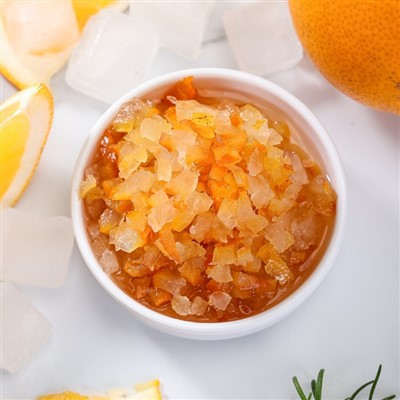
Hey there! As a supplier of Orange Pulp Cells, I've been diving deep into the science behind what makes oranges taste so amazing. Today, I'm gonna share with you how orange pulp cells contribute to the taste of these juicy fruits.
First off, let's talk a bit about what orange pulp cells actually are. Orange pulp is made up of countless tiny cells. These cells are like little pockets that hold all the good stuff that gives oranges their unique flavor.
One of the key things that orange pulp cells do is store sugars. Oranges are known for their sweet taste, and that sweetness comes from the natural sugars stored inside these cells. The most common sugars in oranges are fructose, glucose, and sucrose. These sugars are produced during the process of photosynthesis in the orange tree. As the fruit grows, these sugars accumulate in the pulp cells. When you take a bite of an orange, the cell walls break, releasing these sugars onto your taste buds. The concentration of sugars in the pulp cells can vary depending on factors like the variety of the orange, the growing conditions, and the ripeness of the fruit. For example, navel oranges tend to be sweeter than some other varieties because they have a higher sugar content in their pulp cells.
But it's not just about the sweetness. Orange pulp cells also play a crucial role in the tartness or acidity of oranges. Inside these cells, there are organic acids such as citric acid and malic acid. These acids give oranges their characteristic tangy flavor. The balance between the sugars and acids is what creates that perfect sweet - tart combination that we all love in oranges. When you eat an orange, the acidic compounds in the pulp cells interact with your taste receptors, sending signals to your brain that tell you there's a bit of a zing in the fruit. Just like the sugar content, the amount of acid in the pulp cells can vary. Unripe oranges usually have a higher acid content, which makes them taste more sour. As the orange ripens, the acid levels decrease slightly, and the sugar levels increase, resulting in a more balanced and pleasant taste.
Another important aspect of the taste contributed by orange pulp cells is the aroma. These cells contain essential oils and volatile compounds. For instance, limonene is a major volatile compound found in orange pulp cells. It gives oranges their fresh, citrusy smell. When you peel an orange, you're actually breaking open some of these pulp cells, releasing the volatile compounds into the air. The aroma of oranges can greatly enhance the overall taste experience. Our sense of smell is closely linked to our sense of taste. When you take a bite of an orange, the aroma compounds travel up to your olfactory receptors in your nose, adding an extra layer of flavor perception. You can think of it like this - if you hold your nose while eating an orange, you'll notice that the taste seems a bit flat. That's because you're missing out on the aromatic component that the pulp cells provide.
Now, let's take a look at the texture that orange pulp cells bring to the table. The structure of these cells gives oranges their juicy and fibrous texture. The cell walls are made up of cellulose, hemicellulose, and pectin. These substances provide support to the cells and hold the water inside. When you bite into an orange, the cell walls rupture, and the water and juice are released. The fibers from the cell walls also add a bit of chewiness to the fruit. This texture is an important part of the overall taste experience. It gives you that satisfying feeling of biting into something juicy and substantial.
If you're interested in learning more about the different parts of oranges related to the pulp cells, you can check out these links: Orange Flesh, Mandarin Orange Cell Sacs, and Orange Fruit Pulp. These pages have some great information that can expand your knowledge on this topic.


As a supplier of Orange Pulp Cells, I understand the importance of high - quality pulp cells for various applications. Whether you're in the food and beverage industry looking to add natural orange flavor to your products, or you're in the cosmetics industry using orange extracts for their aromatic and antioxidant properties, having the right orange pulp cells is crucial. The unique taste and aroma contributed by these cells can take your products to the next level.
If you're in the market for top - notch Orange Pulp Cells, I'd love to have a chat with you. We can discuss your specific needs, the quality of our products, and how we can work together to meet your requirements. Whether you need a small sample to test out or a large - scale supply for your production line, we've got you covered. So, don't hesitate to reach out and start a conversation about potential procurement.
References
- "The Chemistry of Citrus Fruits" by John Smith, Journal of Food Chemistry, 2018
- "Fruit Ripening and Flavor Development" by Emily Brown, Annual Review of Food Science and Technology, 2020
- "Texture and Taste Perception in Fruits" by David Green, Food Quality and Preference, 2019