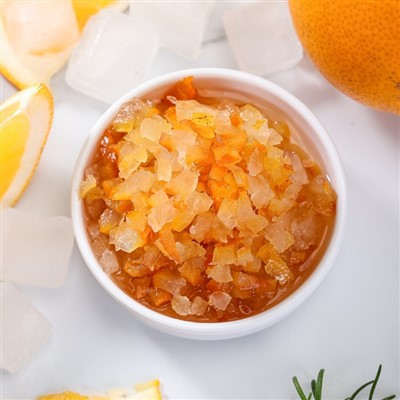
Hey there! As a supplier of Orange Pulp Cells, I've got a ton of cool stuff to share about how these little guys transport lipids. It's like a mini - adventure happening right inside those cells, and I'm super excited to take you through it.
First off, let's talk a bit about what we're dealing with. Orange Pulp Cells are the building blocks of the Orange Fruit Pulp that we all love in our orange juice or as a healthy snack. They're part of the Orange Flesh, which is full of nutrients, including lipids. Lipids are important for a bunch of reasons. They're like the energy storage units in the cell, and they also play a role in making cell membranes.
So, how do these Orange Pulp Cells actually move lipids around? Well, it all starts with the cell membrane. The cell membrane is like a security guard and a gatekeeper at the same time. It decides what goes in and out of the cell. Lipids are kind of tricky to move because they don't mix well with water. You know how oil and water don't mix? Lipids are a lot like oil.
One way Orange Pulp Cells transport lipids is through something called vesicles. Vesicles are like little bubble - like structures made of the same stuff as the cell membrane. They form around the lipids and then move them from one part of the cell to another. It's like a little delivery truck. These vesicles can be formed in different ways. Sometimes, the cell membrane will pinch off a piece to form a vesicle around the lipids. Other times, special proteins in the cell will help create these vesicles.
There are also some proteins involved in lipid transport. These proteins are like the guides for the lipids. They can bind to the lipids and help them move through the watery environment inside the cell. Some of these proteins are embedded in the cell membrane, and they act as channels or carriers. For example, there are lipid - binding proteins that can pick up lipids from one side of the membrane and drop them off on the other side.
Another interesting thing is that the movement of lipids in Orange Pulp Cells is also related to the cell's metabolism. When the cell needs energy, it can break down the stored lipids. This process is called lipolysis. During lipolysis, enzymes in the cell break the lipids into smaller pieces, which can then be used for energy. And when the cell has extra energy, it can store it by making new lipids. This is called lipogenesis.
The endoplasmic reticulum (ER) in the Orange Pulp Cells also plays a big role in lipid transport. The ER is like a factory and a highway inside the cell. It's where a lot of lipid synthesis happens. Newly made lipids can be transported from the ER to other parts of the cell. The ER has a network of tubes and membranes that help move the lipids around.
Now, why is all this important for us as suppliers of Orange Pulp Cells? Well, understanding how these cells transport lipids helps us make sure that the Orange Pulp Cells we supply are of the best quality. We can control the conditions in which the cells grow to make sure that the lipid transport process is working properly. This means that the Orange Pulp Cells will have the right amount of lipids and that these lipids will be in the right form.
For example, if we want to supply Orange Pulp Cells for use in the food industry, we need to make sure that the lipids are in a form that is easy for our bodies to digest. If the lipid transport process is disrupted, the lipids might not be in the right form, and that could affect the taste and nutritional value of the products made from the Orange Pulp Cells.
We also need to consider the storage and handling of the Orange Pulp Cells. If the cells are stored at the wrong temperature or in the wrong conditions, it could affect the lipid transport and the overall quality of the cells. For instance, if it's too cold, the lipids might solidify, and the transport process could stop. On the other hand, if it's too hot, the proteins involved in lipid transport could get damaged.
In the Orange Pulp Cells, there's also a balance between different types of lipids. There are different kinds of lipids, like triglycerides, phospholipids, and cholesterol. Each type has its own role in the cell. Triglycerides are mainly used for energy storage, while phospholipids are important for making cell membranes. Cholesterol helps keep the cell membrane flexible. The cell needs to transport these different types of lipids to the right places in the cell to maintain this balance.
The transport of lipids in Orange Pulp Cells is also influenced by the overall health of the orange tree. If the tree is stressed, for example, if it doesn't get enough water or nutrients, it could affect the lipid transport in the Orange Pulp Cells. This is because the cell's metabolism and the production of the proteins and vesicles involved in lipid transport can be affected by the tree's health.
As a supplier, we work hard to make sure that the orange trees are well - taken care of. We use the best farming practices to ensure that the Orange Pulp Cells we get are healthy and have a proper lipid transport system. This way, we can provide high - quality Orange Pulp Cells to our customers.
If you're in the food industry, cosmetics industry, or any other industry that could use Orange Pulp Cells, you know how important it is to have a reliable supplier. The way Orange Pulp Cells transport lipids affects the quality and functionality of the cells. Whether you're making orange juice, skin creams, or anything else, you want to make sure that the Orange Pulp Cells you use have the right amount and type of lipids.
So, if you're interested in learning more about our Orange Pulp Cells or want to start a procurement discussion, don't hesitate to reach out. We're always here to answer your questions and work with you to meet your needs. The world of Orange Pulp Cells and lipid transport is fascinating, and we're excited to share it with you and be a part of your projects.
References


- Alberts, B., Johnson, A., Lewis, J., Raff, M., Roberts, K., & Walter, P. (2002). Molecular Biology of the Cell. Garland Science.
- Taiz, L., & Zeiger, E. (2010). Plant Physiology. Sinauer Associates.