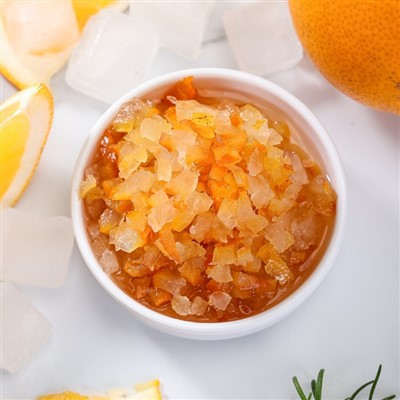
Frozen grapefruit sacs are a convenient and versatile product that offers a burst of citrusy goodness. As a supplier of high - quality grapefruit sacs, I understand the importance of proper defrosting to maintain their texture, flavor, and nutritional value. In this blog, I'll share some effective methods for defrosting frozen grapefruit sacs, ensuring that you can enjoy them at their best.
Why Defrosting Matters
Before diving into the defrosting methods, it's crucial to understand why proper defrosting is essential. When grapefruit sacs are frozen, ice crystals form within the cells. If defrosted too quickly, these ice crystals can rupture the cell walls, leading to a loss of texture and flavor. Additionally, improper defrosting can create an environment conducive to bacterial growth, which can compromise the safety and quality of the product.
Method 1: Refrigerator Defrosting
Refrigerator defrosting is the gentlest and safest method for defrosting frozen grapefruit sacs. It allows the sacs to thaw slowly, minimizing damage to the cell structure and preserving their natural texture and flavor.
Steps:
- Prepare the container: Transfer the frozen grapefruit sacs from their original packaging to a shallow, airtight container. This helps to prevent any potential leakage and allows for even thawing.
- Place in the refrigerator: Put the container of grapefruit sacs in the refrigerator. Make sure it is placed on a stable surface and not in a location where it could be easily knocked over.
- Wait patiently: Depending on the quantity of grapefruit sacs and the temperature of your refrigerator, the defrosting process can take anywhere from 12 to 24 hours. It's important to be patient and let the sacs thaw gradually.
Benefits:
- Preserves texture: Slow thawing in the refrigerator helps to maintain the integrity of the grapefruit sacs, resulting in a plump and juicy texture.
- Enhances safety: By keeping the sacs at a low temperature during the defrosting process, the risk of bacterial growth is significantly reduced.
Method 2: Cold Water Defrosting
If you're short on time, the cold water defrosting method can be a viable alternative. This method is faster than refrigerator defrosting but still requires some attention to ensure proper thawing.
Steps:
- Seal the sacs: Place the frozen grapefruit sacs in a resealable plastic bag, removing as much air as possible before sealing. This helps to prevent water from seeping into the bag and diluting the flavor of the sacs.
- Submerge in cold water: Fill a large bowl or sink with cold water. Place the sealed bag of grapefruit sacs in the water, making sure it is fully submerged.
- Change the water regularly: Every 30 minutes, change the water in the bowl or sink to keep it cold. This helps to speed up the defrosting process.
- Check for thawing: After about 1 - 2 hours, check the grapefruit sacs to see if they are fully thawed. If not, continue changing the water and checking periodically until they are thawed.
Benefits:


- Faster thawing: Cold water defrosting can significantly reduce the defrosting time compared to refrigerator defrosting, making it a great option when you need to use the grapefruit sacs quickly.
- Convenient: This method can be done at home without the need for any special equipment.
Method 3: Microwave Defrosting
While microwave defrosting is the fastest method, it should be used with caution as it can easily overheat the grapefruit sacs, resulting in a loss of texture and flavor.
Steps:
- Select the defrost setting: Set your microwave to the defrost setting or use a low - power setting (around 30% - 50% power).
- Arrange the sacs: Place the frozen grapefruit sacs in a microwave - safe dish in a single layer. This allows for more even defrosting.
- Defrost in short intervals: Microwave the sacs in short intervals of 30 seconds to 1 minute. After each interval, check the sacs and stir them gently to ensure even thawing.
- Monitor closely: Keep a close eye on the grapefruit sacs while they are in the microwave. If you notice any signs of overheating, such as steam or a change in color, stop the microwave immediately.
Benefits:
- Rapid defrosting: Microwave defrosting can thaw the grapefruit sacs in a matter of minutes, making it ideal for those last - minute cravings.
Drawbacks:
- Risk of overheating: It can be challenging to control the defrosting process in the microwave, and there is a high risk of overheating the grapefruit sacs, which can lead to a mushy texture and loss of flavor.
Using Defrosted Grapefruit Sacs
Once the grapefruit sacs are defrosted, they can be used in a variety of ways. They are a delicious addition to salads, smoothies, desserts, and cocktails. You can also use them as a topping for yogurt, ice cream, or pancakes.
If you're interested in exploring more grapefruit - related products, you can check out our Grapefruit Granules, Grapefruit Sacs Grapefruit Pulp, and Grapefruit Fruit Pulp. These products offer different textures and uses, allowing you to get creative in the kitchen.
Contact for Purchase
If you're a business looking to purchase our high - quality grapefruit sacs or other related products, we'd love to hear from you. Whether you're a restaurant owner, a food manufacturer, or a distributor, our products can add a unique and refreshing touch to your offerings. Reach out to us to start a purchasing discussion and find out how we can meet your specific needs.
References
- "Food Safety and Storage Guidelines," USDA Food Safety and Inspection Service.
- "Best Practices for Thawing Frozen Foods," Food Science Journal.