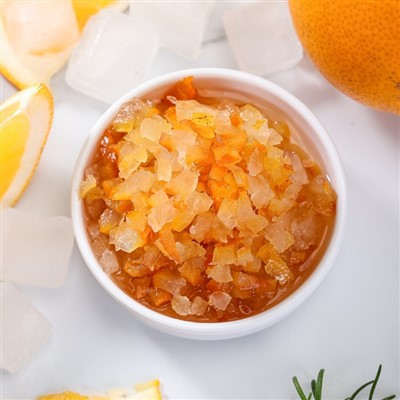
As a dedicated supplier of diced lemon peel, I've witnessed firsthand how this humble ingredient can transform the texture of a dish. In this blog, I'll delve into the science and art behind diced lemon peel and its impact on texture, providing insights that will enhance your culinary creations.
The Physical Properties of Diced Lemon Peel
The texture of diced lemon peel is unique, characterized by its firmness, fibrousness, and slight chewiness. When lemon peel is diced, it retains its structural integrity, adding a distinct mouthfeel to dishes. The outer layer of the lemon peel, known as the zest, is rich in essential oils and flavonoids, which contribute to its strong aroma and flavor. The inner white pith, while less flavorful, provides a soft and spongy texture that can help balance the firmness of the zest.
Enhancing Crunch and Texture in Savory Dishes
One of the most significant ways diced lemon peel affects the texture of a dish is by adding crunch. In savory dishes such as salads, soups, and stews, diced lemon peel can provide a refreshing contrast to the softness of other ingredients. For example, in a classic Greek salad, diced lemon peel can be sprinkled over the top, adding a crispy texture and a burst of citrus flavor. In a creamy tomato soup, a small amount of diced lemon peel can provide a subtle crunch, elevating the overall sensory experience.
The fibrous nature of diced lemon peel also helps to thicken and bind sauces and dressings. When added to a vinaigrette, for instance, the lemon peel can help emulsify the oil and vinegar, creating a smooth and slightly viscous texture. This not only improves the mouthfeel of the dressing but also ensures that it coats the ingredients evenly, enhancing the flavor distribution.
Adding Moisture and Softness to Baked Goods
In the realm of baking, diced lemon peel can have a profound impact on the texture of cakes, cookies, and bread. When incorporated into dough or batter, the lemon peel releases moisture as it bakes, helping to keep the baked goods moist and tender. The essential oils in the lemon peel also contribute to a light and airy texture, making the baked goods more enjoyable to eat.
For example, in a lemon poppy seed cake, diced lemon peel adds a moist and spongy texture. As the cake bakes, the lemon peel infuses the batter with its citrusy aroma and flavor, while the pith retains moisture, preventing the cake from drying out. Similarly, in lemon cookies, diced lemon peel can provide a soft and chewy center, offset by the crisp exterior.
Creating a Layered Texture in Desserts
Desserts are another area where diced lemon peel can shine. In parfaits, trifles, and tarts, diced lemon peel can be used to create a layered texture. When combined with other ingredients such as fresh fruits, whipped cream, and custard, the lemon peel adds a crunchy and chewy element that contrasts with the softness of the other components.
Take, for example, a lemon curd tart. The tart shell provides a crispy base, while the smooth and creamy lemon curd fills the center. By adding diced lemon peel on top of the curd, you introduce a new layer of texture that enhances the overall complexity of the dessert. The lemon peel not only adds a pop of color but also a burst of flavor and a satisfying crunch.
Complementary Pairings with Diced Lemon Peel
To fully appreciate the impact of diced lemon peel on texture, it's important to consider its complementary pairings. Diced lemon peel pairs well with a variety of ingredients, each contributing to a unique texture profile.
- Cheese: The sharpness of cheese pairs beautifully with the citrusy flavor of diced lemon peel. In a cheese platter, adding a sprinkle of diced lemon peel can enhance the texture and flavor of the cheese, providing a refreshing contrast to its richness.
- Seafood: The delicate texture of seafood is enhanced by the addition of diced lemon peel. In a shrimp salad or a grilled fish dish, the lemon peel can add a crispy texture and a burst of citrus flavor, complementing the natural sweetness of the seafood.
- Nuts: Nuts and diced lemon peel make a great combination, offering a mix of crunchy and chewy textures. In a granola or a trail mix, adding diced lemon peel can provide a refreshing twist, balancing the richness of the nuts.
Our Diced Lemon Peel and Related Products
At our company, we take pride in providing high - quality diced lemon peel. Our lemon peel is carefully sourced from the finest lemons, ensuring a rich flavor and optimal texture. We also offer a range of related products that can be used in conjunction with our diced lemon peel to enhance the texture and flavor of your dishes.
- NFC Citrus Juice: Our NFC citrus juice is made from freshly squeezed oranges and lemons, providing a pure and natural flavor. When combined with diced lemon peel, it can add a burst of freshness and moisture to your dishes.
- Fresh Squeezed Citrus Juice: Similar to NFC citrus juice, our fresh squeezed citrus juice is a great addition to recipes that call for a bright and tangy flavor. It can be used to marinate meats, dress salads, or add a zesty kick to baked goods.
- Sweet Citrus Juice: Our sweet citrus juice is perfect for those who prefer a milder and sweeter citrus flavor. It can be used in desserts, cocktails, or as a glaze for meats, adding a touch of sweetness and moisture.
Contact Us for Procurement
If you're a chef, a baker, or a food manufacturer looking to enhance the texture and flavor of your products with high - quality diced lemon peel and related citrus products, we'd love to hear from you. Our team of experts can provide you with detailed information about our products, offer samples, and assist you in finding the perfect solutions for your culinary needs. Simply reach out to us to start a conversation about procurement.


References
- McGee, H. (2004). On Food and Cooking: The Science and Lore of the Kitchen. Scribner.
- Harold, M. (2015). The Food Lab: Better Home Cooking Through Science. W. W. Norton & Company.