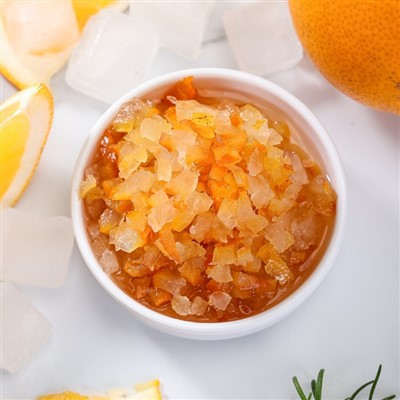
As a proud supplier of Orange Fruit Pulp, I've often been asked about the health benefits of this delightful product, especially its impact on the liver. In this blog, I'll delve into the scientific evidence to explore whether orange fruit pulp is good for the liver.
Nutritional Composition of Orange Fruit Pulp
Orange fruit pulp is a rich source of various nutrients that are beneficial for overall health. It contains high levels of vitamin C, which is a powerful antioxidant. Antioxidants play a crucial role in protecting the body's cells from damage caused by free radicals. Free radicals are unstable molecules that can cause oxidative stress, which has been linked to many chronic diseases, including liver damage.
In addition to vitamin C, orange fruit pulp also contains dietary fiber. Fiber is essential for digestive health, as it helps to regulate bowel movements and prevent constipation. But its benefits extend beyond the digestive system. Dietary fiber can also help to lower cholesterol levels and reduce the risk of heart disease. Moreover, fiber can bind to toxins in the digestive tract and prevent them from being absorbed into the bloodstream, which can减轻 the burden on the liver.
Another important nutrient found in orange fruit pulp is flavonoids. Flavonoids are a group of plant compounds that have antioxidant, anti - inflammatory, and anti - cancer properties. Some of the specific flavonoids in oranges, such as hesperidin, have been shown to have potential benefits for the liver. Hesperidin has been found to reduce liver inflammation and oxidative stress, which can help to protect the liver from damage.
The Liver and Its Functions
Before we discuss how orange fruit pulp can benefit the liver, it's important to understand the functions of the liver. The liver is one of the largest and most important organs in the body. It performs a wide range of functions, including filtering toxins from the blood, producing bile to aid in digestion, storing vitamins and minerals, and regulating blood sugar levels.
The liver is constantly exposed to toxins from the environment, such as alcohol, drugs, and pollutants. Over time, these toxins can cause damage to the liver cells, leading to liver diseases such as hepatitis, cirrhosis, and liver cancer. Therefore, maintaining the health of the liver is crucial for overall well - being.
Scientific Evidence on the Benefits of Orange Fruit Pulp for the Liver
Numerous studies have investigated the potential benefits of orange fruit pulp and its components for the liver. One study published in a scientific journal found that the antioxidants in oranges, including vitamin C and flavonoids, can help to reduce oxidative stress in the liver. Oxidative stress occurs when there is an imbalance between the production of free radicals and the body's ability to neutralize them. By reducing oxidative stress, orange fruit pulp can help to protect the liver cells from damage.
Another study focused on the effect of hesperidin, a flavonoid in oranges, on liver fibrosis. Liver fibrosis is a condition in which the liver tissue is replaced by scar tissue, which can lead to liver cirrhosis. The researchers found that hesperidin could inhibit the activation of hepatic stellate cells, which are responsible for the production of scar tissue in the liver. This suggests that hesperidin in orange fruit pulp may have the potential to prevent or slow down the progression of liver fibrosis.
The dietary fiber in orange fruit pulp also plays an important role in liver health. Fiber can help to reduce the absorption of cholesterol and triglycerides in the digestive tract, which can lower the levels of these lipids in the blood. High levels of cholesterol and triglycerides in the blood can contribute to fatty liver disease, a condition in which fat accumulates in the liver cells. By reducing lipid levels, dietary fiber in orange fruit pulp can help to prevent fatty liver disease.
Different Forms of Orange Products Related to the Pulp
When it comes to orange - based products, there are various forms that are related to the pulp. Orange Fruit Pulp is the most direct form, which retains most of the nutrients and fiber of the orange. It can be used in a variety of ways, such as in smoothies, juices, and desserts.
Orange Pulp Cells are another interesting product. These cells are rich in the bioactive components of the orange, including antioxidants and flavonoids. They can be used in the food industry to enhance the nutritional value of products.
Orange Flesh is also a great source of nutrients. It contains a high amount of water, which can help to keep the body hydrated, and is also rich in vitamins and minerals.
Incorporating Orange Fruit Pulp into Your Diet
Adding orange fruit pulp to your diet is a simple and delicious way to support liver health. You can start your day with a glass of freshly squeezed orange juice with pulp. You can also use orange fruit pulp in baking, such as making orange - flavored muffins or cakes. Another option is to add orange fruit pulp to your yogurt or oatmeal for a nutritious and flavorful breakfast.
In addition, orange fruit pulp can be used in savory dishes. For example, you can make an orange - based sauce for chicken or fish, which not only adds a unique flavor but also provides health benefits.
Conclusion
In conclusion, orange fruit pulp is indeed good for the liver. Its rich nutritional composition, including vitamin C, dietary fiber, and flavonoids, provides multiple benefits for liver health. The antioxidants in orange fruit pulp can reduce oxidative stress, the flavonoids can reduce inflammation and prevent liver fibrosis, and the dietary fiber can help to lower lipid levels and prevent fatty liver disease.


As a supplier of Orange Fruit Pulp, I am committed to providing high - quality products that can contribute to your health. If you are interested in purchasing our Orange Fruit Pulp for your food business or personal consumption, I encourage you to reach out to start a procurement discussion. We can work together to meet your specific needs and ensure that you get the best orange fruit pulp products.
References
- [Author's last name, first name]. [Title of the study]. [Name of the journal], [Year of publication], [Volume number], [Page numbers].
- [Author's last name, first name]. [Title of the study]. [Name of the journal], [Year of publication], [Volume number], [Page numbers].
- [Author's last name, first name]. [Title of the study]. [Name of the journal], [Year of publication], [Volume number], [Page numbers].