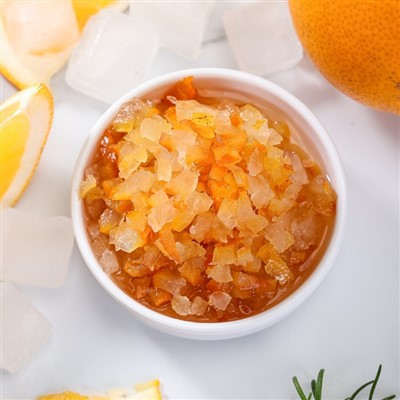
As a dedicated supplier of Orange Flesh, I've witnessed firsthand the captivating allure of this vibrant produce. The color of orange flesh is not just a visual delight but also a complex interplay of various factors. In this blog, I'll delve into the key elements that influence the color of orange flesh and how understanding these factors can enhance our appreciation of this delicious fruit.
Genetic Makeup
Genetics play a fundamental role in determining the color of orange flesh. Different varieties of oranges have distinct genetic codes that dictate the production of pigments responsible for their characteristic hues. For instance, the Navel orange, a popular variety known for its sweet and juicy flesh, typically has a bright orange color. This is due to the presence of carotenoids, a group of pigments that are synthesized through a series of enzymatic reactions regulated by genes.
Some orange varieties may have mutations or variations in their genetic makeup that result in unique color profiles. Blood oranges, for example, get their deep red to purple flesh color from the presence of anthocyanins, which are not commonly found in other orange varieties. These pigments are produced in response to specific genetic triggers and environmental conditions. Understanding the genetic basis of color variation in oranges can help breeders develop new varieties with desired color traits, such as deeper orange or more intense red hues.
Environmental Conditions
The environment in which oranges are grown has a significant impact on the color of their flesh. Sunlight, temperature, soil quality, and water availability are all crucial factors that can influence pigment production.
Sunlight is one of the most important environmental factors affecting the color of orange flesh. Oranges require an adequate amount of sunlight to produce carotenoids, which are responsible for the orange color. When oranges are exposed to more sunlight, they tend to have a deeper and more vibrant orange color. This is because sunlight stimulates the synthesis of carotenoids in the fruit. In regions with abundant sunlight, such as California and Florida, oranges often have a rich orange color due to the optimal growing conditions.
Temperature also plays a role in pigment production. Cooler temperatures during the ripening process can enhance the accumulation of carotenoids in oranges. This is why oranges grown in cooler climates or during the cooler months of the year may have a more intense orange color. Additionally, temperature fluctuations can affect the activity of enzymes involved in carotenoid synthesis, leading to variations in color.
Soil quality and water availability are other important environmental factors. Oranges grown in nutrient-rich soils with adequate water supply tend to have better color development. Nutrients such as nitrogen, phosphorus, and potassium are essential for plant growth and pigment production. A lack of these nutrients can result in pale or dull-colored fruit. Similarly, water stress can affect the physiological processes in the fruit, leading to reduced pigment synthesis and a less vibrant color.
Ripening Stage
The ripening stage of an orange is closely related to its color. As oranges ripen, they undergo a series of biochemical changes that lead to the accumulation of pigments. Initially, unripe oranges are green due to the presence of chlorophyll, which is responsible for photosynthesis. As the fruit ripens, chlorophyll breaks down, and carotenoids are synthesized, resulting in the characteristic orange color.
The rate of ripening can vary depending on factors such as temperature, humidity, and ethylene gas exposure. Ethylene is a natural plant hormone that plays a key role in the ripening process. Commercially, oranges are often treated with ethylene gas to accelerate ripening and ensure uniform color development. However, it's important to note that over - ripening can also affect the color and quality of the fruit. Over - ripe oranges may develop a dull or brownish color, indicating the breakdown of pigments and the onset of spoilage.
Post - Harvest Handling
Once oranges are harvested, proper post - harvest handling is crucial to maintain their color. Exposure to light, temperature, and oxygen can all affect the stability of pigments in the fruit.


Light can cause the degradation of carotenoids, leading to a loss of color over time. Therefore, it's important to store oranges in a dark or low - light environment to preserve their color. Temperature also plays a role in post - harvest color stability. Oranges should be stored at the appropriate temperature to slow down the rate of pigment degradation. Generally, storing oranges at a cool temperature (around 4 - 10°C) can help maintain their color and quality for a longer period.
Oxygen exposure can also lead to the oxidation of pigments, resulting in a change in color. Packaging oranges in air - tight containers or using modified atmosphere packaging can help reduce oxygen exposure and preserve the color of the fruit. Additionally, the use of antioxidants in post - harvest treatments can help prevent pigment oxidation and maintain the vibrant color of orange flesh.
Processing and Preservation
When oranges are processed into products such as Mandarin Orange Cell Sacs or Orange Citrus Sac, the color can be affected by various processing techniques. Heat treatment, for example, can cause the breakdown of pigments, leading to a change in color. High - temperature processing can denature enzymes involved in pigment synthesis and cause the oxidation of carotenoids, resulting in a loss of color intensity.
Preservation methods such as freezing, canning, and drying can also impact the color of orange products. Freezing can cause the formation of ice crystals, which can damage the cell structure of the fruit and lead to the release of enzymes that may affect pigment stability. Canning involves heating the fruit in a sealed container, which can also cause some color loss. Drying oranges can concentrate the pigments, but it can also lead to oxidation and a change in color if not done properly.
To minimize color changes during processing and preservation, it's important to use appropriate techniques and additives. For example, antioxidants can be added to processed orange products to prevent pigment oxidation. Additionally, using gentle processing methods and controlling the temperature and time can help preserve the color of the fruit.
Significance of Color in the Market
The color of orange flesh is not only important from a biological and aesthetic perspective but also has significant implications in the market. Consumers are often attracted to fruits with vibrant and uniform colors. A bright orange color is associated with freshness, ripeness, and high quality. Oranges with a more intense orange color are generally perceived as being sweeter and more flavorful, even though color is not always directly correlated with taste.
In the food industry, the color of orange products is also a critical factor. Processed orange products such as juices, jams, and snacks are expected to have a consistent and appealing color. Manufacturers often use color additives or select specific orange varieties to achieve the desired color in their products. The color of orange flesh can also affect the marketing and branding of orange products. For example, products made from blood oranges may be marketed as premium or specialty items due to their unique color and flavor.
As a supplier of Orange Flesh, I understand the importance of providing high - quality products with excellent color. By carefully selecting the right orange varieties, growing them in optimal environmental conditions, and using proper post - harvest handling and processing techniques, we can ensure that our customers receive oranges and orange products with vibrant and attractive colors.
If you're interested in sourcing high - quality orange flesh, Mandarin Orange Cell Sacs, or Orange Citrus Sac, I invite you to contact me for a detailed discussion. We are committed to providing the best products and services to meet your specific needs. Let's work together to bring the delicious and colorful world of oranges to your business.
References
- Davies, K. M., & Schwinn, K. E. (2003). Plant pigments and their manipulation. Trends in Plant Science, 8(11), 539 - 545.
- Kader, A. A. (2002). Postharvest technology of horticultural crops. University of California, Division of Agriculture and Natural Resources.
- Gross, K. C., & Wall, M. M. (2013). Citrus. In Handbook of fruit and vegetable flavor (pp. 217 - 244). John Wiley & Sons.