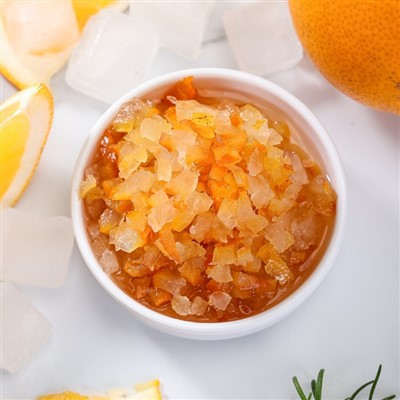
Hey there! As an orange pulp supplier, I often get asked about the acidity level of orange pulp. It's a pretty important topic, especially for those who are looking to use orange pulp in various food and beverage products. So, let's dive right in and explore what the acidity level of orange pulp is all about.
First off, what exactly is orange pulp? Orange pulp refers to the fibrous, juicy part of the orange that remains after the juice has been extracted. It's rich in vitamins, minerals, and dietary fiber, making it a popular ingredient in many products. You can learn more about it on this page: Orange Pulp.
Now, let's talk about acidity. Acidity is measured on the pH scale, which ranges from 0 to 14. A pH of 7 is considered neutral, values below 7 are acidic, and values above 7 are alkaline. Orange pulp, like most citrus fruits, is acidic. The acidity of orange pulp mainly comes from citric acid, which is a natural organic acid found in citrus fruits.
The typical pH range of orange pulp is between 3.0 and 4.0. This makes it moderately acidic. The exact acidity level can vary depending on several factors. One of the main factors is the variety of oranges used. Different orange varieties have different levels of citric acid and other acids. For example, Valencia oranges and Navel oranges might have slightly different acidity levels.
Another factor is the ripeness of the oranges. Generally, as oranges ripen, the acidity level decreases while the sugar content increases. So, if the oranges used to make the pulp are fully ripe, the pulp might be a bit less acidic compared to pulp made from less - ripe oranges.
The growing conditions of the oranges also play a role. Oranges grown in different regions with varying soil types, climate, and water availability can have different chemical compositions. For instance, oranges grown in a region with more sunlight and less rainfall might have a different acidity level compared to those grown in a more humid area.
The way the orange pulp is processed can also affect its acidity. If the pulp is heat - treated during processing, it can cause some chemical changes that might slightly alter the acidity. Also, if any additives or preservatives are added, they could potentially impact the pH of the pulp.
So, why does the acidity level of orange pulp matter? Well, in the food industry, the acidity level is crucial for several reasons. Firstly, it affects the taste. The acidity gives orange pulp its characteristic tangy flavor, which is loved by many. It also helps to balance the sweetness of the natural sugars in the pulp.


Secondly, acidity plays a role in food safety. The acidic environment of orange pulp can inhibit the growth of certain bacteria and microorganisms. This is important for extending the shelf - life of products that contain orange pulp. For example, in fruit juices and jams that use orange pulp, the acidity helps to prevent spoilage.
In the production of baked goods, the acidity of orange pulp can react with baking soda or baking powder. This reaction helps the dough or batter to rise, resulting in a lighter and fluffier texture.
If you're interested in the different parts of the orange, you can check out Orange Flesh and Mandarin Orange Cell Sacs. These pages provide more detailed information about other components of the orange.
As a supplier of orange pulp, I ensure that the pulp we offer has a consistent acidity level within the typical range. We carefully select the oranges, control the ripeness at the time of processing, and use advanced processing techniques to maintain the quality and acidity of the pulp.
If you're in the food or beverage business and are looking for high - quality orange pulp, we'd love to have a chat with you. Whether you're making juices, jams, desserts, or any other product that could benefit from the natural goodness of orange pulp, we can provide you with the right solution. Our orange pulp is sourced from the best oranges, processed with care, and guaranteed to meet your requirements.
So, if you're interested in discussing your orange pulp needs, don't hesitate to reach out. We're always ready to talk about how our orange pulp can add that perfect tangy flavor and nutritional value to your products.
References
- Citrus Fruits: Composition, Nutritional Value, and Health Benefits. A scientific review on the chemical composition of citrus fruits including acidity levels.
- Food Science and Technology textbooks: These provide in - depth knowledge about the role of acidity in food products and processing.