Hey there! As a lemon peel supplier, I often get asked about the difference between lemon zest and lemon peel. It might seem like they're pretty much the same thing, but there are some key distinctions that can really affect your cooking and baking. So, let's dive in and clear up the confusion!
First off, let's talk about what each of these is. Lemon zest is the outermost layer of the lemon's skin. It's the colorful part that's full of essential oils, which give it that intense, bright lemon flavor. When you zest a lemon, you're basically just scraping off that thin, flavorful layer. You can use a zester, a fine grater, or even a vegetable peeler to get the job done.
On the other hand, lemon peel refers to the entire outer skin of the lemon, including the white pith underneath the zest. The pith is the bitter, spongy layer between the zest and the fruit. It's not as flavorful as the zest and can have a bit of a bitter taste, so it's usually removed before using the peel in cooking.
One of the biggest differences between lemon zest and lemon peel is their flavor. As I mentioned, lemon zest is super concentrated with lemon flavor. Just a little bit can really brighten up a dish, whether it's a savory sauce, a sweet dessert, or a refreshing drink. The essential oils in the zest are what give it that intense aroma and taste.
Lemon peel, on the other hand, has a more complex flavor. The zest provides the bright lemon notes, but the pith adds a bit of bitterness and depth. This can be a great thing in some recipes, especially those where you want a more balanced, nuanced flavor. For example, in some traditional Mediterranean dishes, the bitterness of the pith can complement the richness of other ingredients.
Another difference is their texture. Lemon zest is very fine and powdery. It's easy to incorporate into a dish and doesn't add any significant bulk. You can sprinkle it on top of a dessert, stir it into a batter, or mix it into a marinade without changing the texture of the final product too much.
Lemon peel, on the other hand, is thicker and more substantial. If you're using it in a recipe, you'll usually need to chop it up into small pieces first. The texture of the peel can add a bit of chewiness to a dish, which can be a nice contrast to other ingredients.
Now, let's talk about how you can use lemon zest and lemon peel in your cooking. Lemon zest is incredibly versatile and can be used in a wide variety of recipes. Here are some ideas:

- Baking: Add a teaspoon or two of lemon zest to your cake, cookie, or muffin batter for a burst of lemon flavor. You can also sprinkle it on top of a pie crust or a batch of cinnamon rolls before baking.
- Cooking: Lemon zest is a great addition to savory dishes like chicken, fish, and vegetables. You can mix it into a marinade, a sauce, or a dressing to add a bright, citrusy note.
- Drinks: Add a little lemon zest to your tea, coffee, or cocktail for a refreshing twist. You can also muddle it with some sugar and lime juice to make a simple syrup for a lemonade or a mojito.
Lemon peel can also be used in cooking, but it's a bit more limited. Here are some ways you can use it:
- Infusions: You can steep lemon peel in hot water or alcohol to make a flavorful infusion. This can be used in cocktails, teas, or even as a base for a homemade lemon liqueur.
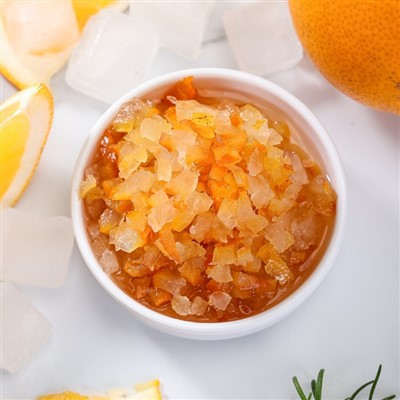
- Candied Peel: Candying lemon peel is a great way to preserve it and use it in desserts. You can chop it up and add it to cakes, cookies, or ice cream, or use it as a garnish for a fancy cocktail.
- Spice Blends: Lemon peel can be dried and ground into a powder to use in spice blends. It can add a bright, citrusy note to a variety of dishes, from curries to rubs for grilled meats.
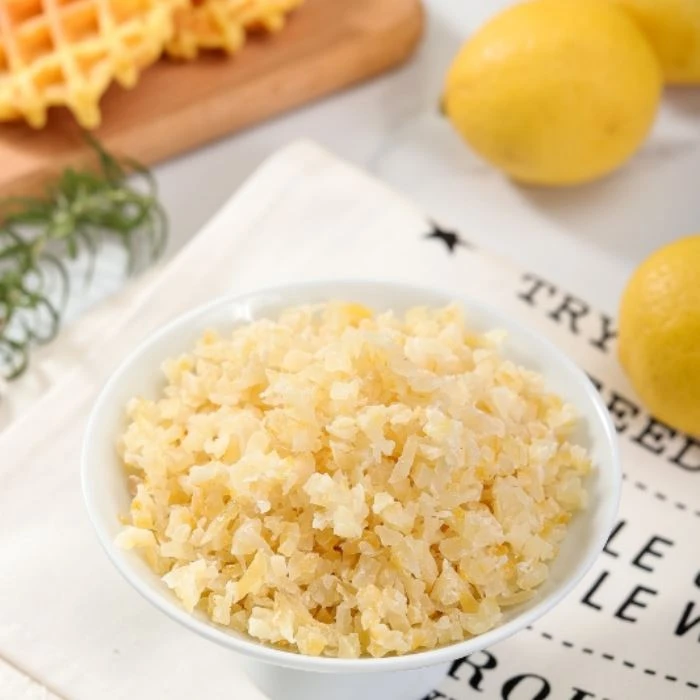
As a lemon peel supplier, I offer a variety of lemon peel products, including Lemon Dried Peel and Dehydrated Lemon Rind. These products are made from high-quality lemons and are perfect for adding a burst of lemon flavor to your cooking and baking.
If you're interested in purchasing our lemon peel products, or if you have any questions about the difference between lemon zest and lemon peel, please don't hesitate to reach out. We'd love to hear from you and help you find the perfect lemon peel product for your needs.
In conclusion, while lemon zest and lemon peel are both derived from the lemon's skin, they have some important differences in terms of flavor, texture, and usage. Understanding these differences can help you make the most of these versatile ingredients in your cooking and baking. So, next time you're at the grocery store, pick up a few lemons and give lemon zest and lemon peel a try!
References
- McGee, H. (2004). On Food and Cooking: The Science and Lore of the Kitchen. Scribner.
- Harold, M. (2015). The Flavor Bible: The Essential Guide to Culinary Creativity, Based on the Wisdom of America's Most Imaginative Chefs. Clarkson Potter.