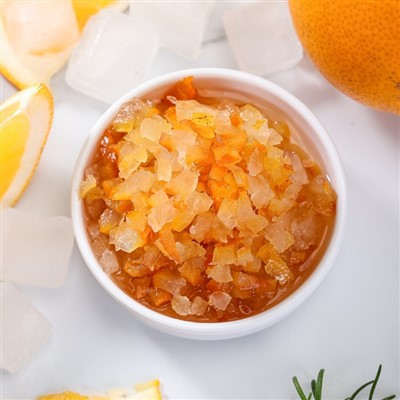
The distribution of orange pulp cells within the fruit is a fascinating subject that not only intrigues botanists but also holds significant importance for those involved in the orange pulp industry. As a supplier of Orange Pulp Cells, I have delved deep into understanding the intricacies of how these cells are arranged and their role in the overall structure and quality of the fruit.
The Structure of an Orange
To understand the distribution of orange pulp cells, we first need to have a basic understanding of the structure of an orange. An orange is a hesperidium, a type of berry with a leathery rind and internal segments separated by thin membranes. The outer part of the orange, known as the exocarp or flavedo, is rich in essential oils and gives the fruit its characteristic color and aroma. Beneath the exocarp is the mesocarp, or albedo, which is a white, spongy layer.
The edible part of the orange consists of numerous segments filled with juice vesicles and pulp cells. These segments are separated by septa, which are thin, membranous partitions. Each segment is a self - contained unit that contains a specific arrangement of pulp cells and juice - filled sacs.
Orange Pulp Cells: A Closer Look
Orange pulp cells are the building blocks of the fruit's flesh. They are small, living units that perform various functions, such as storing nutrients, producing enzymes, and contributing to the texture and flavor of the orange. These cells are typically spherical or oval in shape and are connected to each other by thin cell walls.
The pulp cells can be classified into different types based on their location and function within the fruit. Some cells are specialized for storing water and nutrients, while others are involved in the synthesis of flavor compounds. The distribution of these different cell types is not random but follows a specific pattern within the orange segments.
Distribution of Orange Pulp Cells in the Segments
In each orange segment, the pulp cells are arranged in a hierarchical manner. At the center of the segment, there is a core region where the cells are more densely packed. This core region is surrounded by a layer of cells that are less compactly arranged. The outer layer of the segment, near the septa, contains cells that are more elongated and have a different structure compared to the cells in the inner regions.
The juice vesicles, also known as Orange Citrus Sac, are located within the segments and are surrounded by the pulp cells. These sacs are filled with a liquid that contains sugars, acids, vitamins, and other flavor - enhancing compounds. The distribution of the juice vesicles is also related to the arrangement of the pulp cells. They are typically found in clusters within the segment, and the pulp cells around them provide support and protection.
Factors Affecting the Distribution of Orange Pulp Cells
Several factors can influence the distribution of orange pulp cells within the fruit. One of the most important factors is the stage of fruit development. During the early stages of growth, the pulp cells are relatively small and evenly distributed throughout the segment. As the fruit matures, the cells in the core region start to expand and divide more rapidly, leading to a change in the overall distribution pattern.
Environmental factors also play a significant role. For example, temperature, light, and water availability can affect the growth and development of the pulp cells. In regions with high temperatures and充足的 sunlight, the orange pulp cells may grow larger and have a different distribution compared to those in cooler and shadier areas.
Genetic factors are another determinant of the pulp cell distribution. Different orange varieties have unique genetic characteristics that influence the way their pulp cells are arranged. Some varieties may have a more uniform distribution of pulp cells, while others may have a more clustered or uneven arrangement.
Importance of Understanding Orange Pulp Cell Distribution for Suppliers
As a supplier of Orange Pulp Cells, understanding the distribution of these cells is crucial for several reasons. Firstly, it helps us to select the best - quality oranges for processing. Oranges with a more uniform distribution of pulp cells are likely to have a better texture and flavor, which is highly desirable for our customers.


Secondly, knowledge of pulp cell distribution allows us to optimize our processing methods. By understanding how the cells are arranged within the segments, we can develop techniques to extract the pulp cells more efficiently without damaging their structure. This ensures that the final product retains its nutritional value and quality.
Thirdly, it enables us to meet the specific requirements of our customers. Different customers may have different preferences for the texture and consistency of the orange pulp. By understanding the distribution of pulp cells, we can customize our products to meet these diverse needs.
Quality Control and Orange Pulp Cell Distribution
Quality control is an essential aspect of our business as a supplier of orange pulp cells. We use advanced microscopy techniques to examine the distribution of pulp cells in our products. By analyzing the cell structure and arrangement, we can ensure that our orange pulp meets the highest standards of quality.
We also monitor the distribution of pulp cells during the fruit - sourcing process. Oranges with abnormal cell distributions may indicate problems such as disease, nutrient deficiencies, or improper growing conditions. By rejecting such fruits, we can maintain the consistency and quality of our orange pulp products.
Orange Pulp Cells in the Food Industry
The food industry has a high demand for orange pulp cells due to their versatility and nutritional value. Orange pulp is used in a wide range of products, such as juices, jams, desserts, and beverages. The distribution of pulp cells affects the sensory properties of these products, such as their texture, mouthfeel, and appearance.
For example, in orange juice production, the presence of well - distributed pulp cells can enhance the juice's flavor and provide a more natural and refreshing taste. In jams and jellies, the pulp cells contribute to the thickening and gelling properties of the product. By understanding the distribution of orange pulp cells, food manufacturers can create products with consistent quality and appealing sensory characteristics.
Conclusion and Call to Action
In conclusion, the distribution of orange pulp cells in the fruit is a complex and fascinating topic. It is influenced by multiple factors, including fruit development, environmental conditions, and genetic traits. As a supplier of Orange Pulp Cells, we have harnessed this knowledge to provide high - quality orange pulp products to our customers.
If you are in the food industry or have a need for orange pulp cells, we invite you to contact us for a detailed discussion about our products. We can offer customized solutions based on your specific requirements and ensure that you receive the best - quality orange pulp with the ideal distribution of cells. Whether you are looking for Orange Flesh for your juice production or pulp cells for your jam - making process, we are here to assist you.
References
- Kader, A. A. (2002). Postharvest Technology of Horticultural Crops. University of California, Davis.
- Gross, K. C., & Yoo, K. H. (1988). Cell wall metabolism in orange (Citrus sinensis) juice sacs during development and maturation. Plant Physiology, 88(3), 786 - 790.
- Baldwin, E. A., Scott, J. W., Shewmaker, C. K., & Schuch, W. (2000). Flavor trivia and tomato aroma: biochemistry and possible mechanisms for control of important aroma components. HortScience, 35(3), 403 - 409.