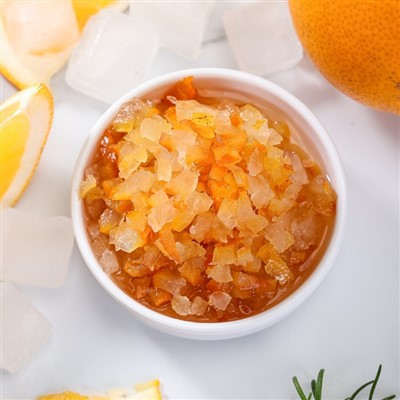
The redox potential, also known as oxidation - reduction potential, is a crucial parameter in biological systems. It reflects the tendency of a chemical species to acquire electrons and thereby be reduced. In the context of orange pulp cells, understanding the redox potential can provide valuable insights into the cellular metabolism, the quality of the orange products, and the overall physiological state of the fruit. As a supplier of Orange Pulp Cells, I am deeply interested in exploring this topic and sharing the scientific knowledge with you.
The Concept of Redox Potential
Redox potential is measured in volts (V) or millivolts (mV). A positive redox potential indicates an oxidizing environment, where substances have a tendency to accept electrons. Conversely, a negative redox potential represents a reducing environment, where substances are more likely to donate electrons. In biological systems, redox reactions are involved in numerous essential processes such as energy production, biosynthesis, and defense against oxidative stress.
Redox Potential in Orange Pulp Cells
Cellular Metabolism and Redox State
Inside orange pulp cells, a complex network of redox reactions occurs. Photosynthesis, which is the primary metabolic process in plants, involves a series of redox reactions. During photosynthesis, water is oxidized to release oxygen, and carbon dioxide is reduced to form carbohydrates. The redox potential in the chloroplasts of orange pulp cells is tightly regulated to ensure the efficient functioning of the photosynthetic machinery.
Respiration is another important metabolic process that affects the redox potential. In mitochondria, organic molecules are oxidized to generate energy in the form of ATP. This oxidation - reduction process involves the transfer of electrons through the electron transport chain, which creates a proton gradient across the mitochondrial membrane. The redox potential in the mitochondria of orange pulp cells is related to the efficiency of energy production.
![[WCBO`G~7BRV3A_Y4]5}6T7](/uploads/202543881/orange-pulp-cells2393a66e-236a-4393-a37c-577474acd56e.jpg)
Antioxidant Systems and Redox Balance
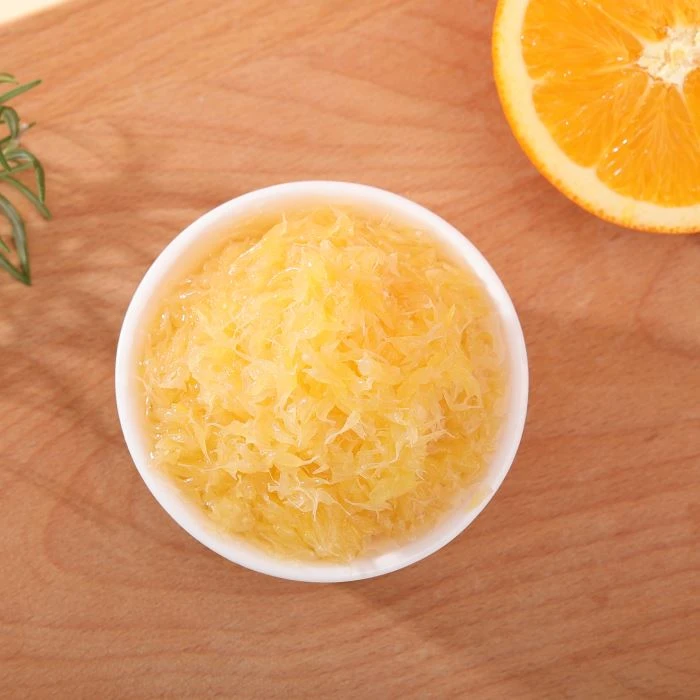
Orange pulp cells are rich in antioxidants such as vitamin C, flavonoids, and carotenoids. These antioxidants play a vital role in maintaining the redox balance within the cells. They can scavenge reactive oxygen species (ROS) such as superoxide anions, hydrogen peroxide, and hydroxyl radicals, which are generated during normal metabolic processes or in response to environmental stress.
For example, vitamin C can donate electrons to neutralize ROS, thereby preventing oxidative damage to cellular components such as lipids, proteins, and DNA. The presence of these antioxidants in orange pulp cells helps to keep the redox potential within a physiological range and protects the cells from oxidative stress.
Factors Affecting the Redox Potential in Orange Pulp Cells
Several factors can influence the redox potential inside orange pulp cells. Environmental factors such as light intensity, temperature, and humidity can have a significant impact. High light intensity can increase the production of ROS in the chloroplasts, leading to a more oxidizing environment. Extreme temperatures can also disrupt the normal metabolic processes and affect the redox balance.
The stage of fruit development also affects the redox potential. During the ripening process, the composition of the orange pulp changes, and the activity of antioxidant enzymes and the levels of antioxidants may vary. As the fruit ripens, the redox potential may shift, which can be related to the changes in flavor, color, and nutritional value.
Significance of Redox Potential in Orange Products
Quality of Orange Pulp
The redox potential is closely related to the quality of orange pulp. A balanced redox state is essential for maintaining the freshness, flavor, and nutritional value of the orange pulp. Oxidative stress can lead to the degradation of pigments, the development of off - flavors, and the loss of vitamins and other bioactive compounds.
For example, the oxidation of carotenoids can cause a change in the color of the orange pulp from bright orange to a duller color. The oxidation of lipids can result in the formation of rancid flavors. By monitoring the redox potential, we can better understand the quality changes during storage and processing of orange pulp and take appropriate measures to maintain its quality.
Health Benefits of Orange Products
The redox - related properties of orange pulp also contribute to its health benefits. The antioxidants in orange pulp can help to reduce oxidative stress in the human body, which is associated with various diseases such as cardiovascular diseases, cancer, and neurodegenerative diseases.
The redox potential of orange pulp can affect the bioavailability and activity of these antioxidants. A more favorable redox environment in the orange pulp may enhance the ability of the antioxidants to exert their beneficial effects when consumed.
Our Role as an Orange Pulp Cells Supplier
As a supplier of Orange Pulp Cells, we are committed to providing high - quality products. We understand the importance of the redox potential in orange pulp cells and take measures to ensure that our products maintain a balanced redox state.
We carefully select the oranges at the optimal stage of ripening to ensure the highest quality of the pulp cells. Our processing methods are designed to minimize oxidative stress and preserve the redox balance. We also conduct regular quality control tests to monitor the redox potential and other quality parameters of our orange pulp cells.
Contact Us for Purchase and Collaboration
If you are interested in our Orange Pulp Cells, Orange Flesh, or Orange Fruit Pulp products, we welcome you to contact us for purchase and collaboration. We can provide you with detailed product information, samples, and competitive prices. Whether you are in the food industry, the beverage industry, or the health - care industry, our orange pulp products can meet your specific needs.
References
- Taiz, L., & Zeiger, E. (2010). Plant Physiology. Sinauer Associates.
- Halliwell, B., & Gutteridge, J. M. C. (2015). Free Radicals in Biology and Medicine. Oxford University Press.
- Kader, A. A. (2002). Postharvest Technology of Horticultural Crops. University of California, Division of Agriculture and Natural Resources.