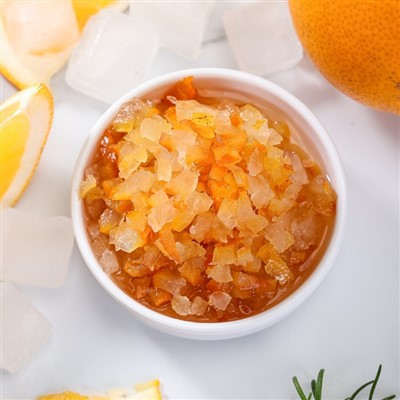
The texture of orange fruit pulp is a fascinating subject that combines elements of science, sensory experience, and culinary application. As a supplier of Orange Fruit Pulp, I have had the privilege of exploring the nuances of this natural ingredient in depth. In this blog post, I will delve into the various aspects of orange fruit pulp texture, from its cellular structure to its impact on different products.
Cellular Structure and Texture Basics
At the microscopic level, orange fruit pulp is composed of numerous cells that contribute to its overall texture. Orange Pulp Cells are typically thin - walled and filled with a variety of substances, including water, sugars, acids, and flavor compounds. These cells are held together by a matrix of pectin, a natural polysaccharide that gives the pulp its structure.
The size and shape of the cells play a significant role in determining the texture of the pulp. Smaller cells generally result in a smoother, more homogeneous texture, while larger cells can create a coarser, more granular feel. For example, the pulp of some mandarin oranges may have relatively large cells, which give it a slightly chunky texture that is well - loved in certain types of beverages and desserts.
Sensory Perception of Orange Fruit Pulp Texture
When it comes to our sensory perception, the texture of orange fruit pulp can evoke a range of responses. The first thing we notice is often the mouthfeel. A smooth pulp slides easily across the tongue, providing a refreshing and almost velvety sensation. This type of texture is highly desirable in products like orange juice, where consumers expect a consistent and pleasant drinking experience.
On the other hand, a pulp with a more pronounced texture can add an element of interest and complexity. The slight crunch or chewiness of larger pulp pieces can make the consumption of orange - based products more engaging. It can be particularly appealing in products such as fruit salads, where the contrast between the soft pulp and other ingredients enhances the overall sensory experience.
Factors Affecting Orange Fruit Pulp Texture
Several factors can influence the texture of orange fruit pulp. One of the most significant factors is the variety of orange. Different orange varieties have distinct genetic characteristics that determine the size, shape, and composition of their pulp cells. For instance, Valencia oranges are known for their relatively fine - textured pulp, which makes them a popular choice for juice production. In contrast, Navel oranges often have a coarser pulp, which can be great for use in solid - form products like jams and marmalades.

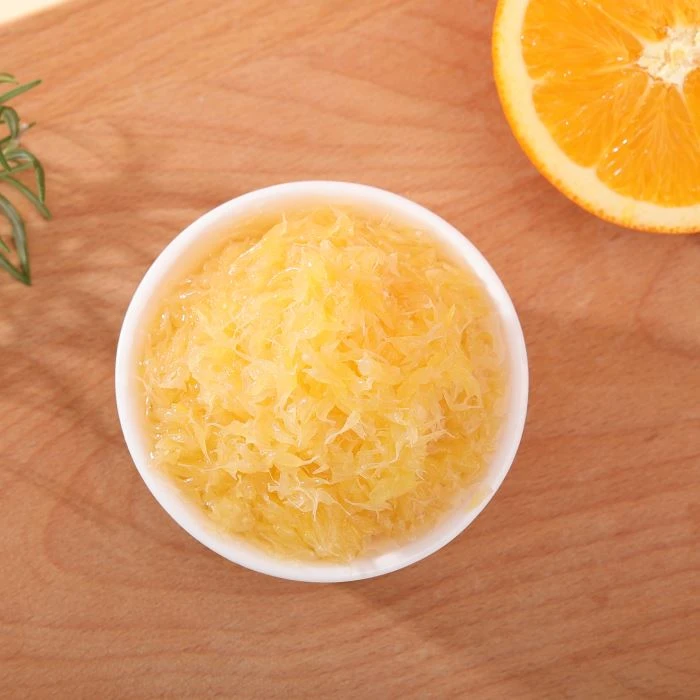
The ripeness of the orange also plays a crucial role. As oranges ripen, the pectin in the pulp begins to break down, which can lead to a softer, more tender texture. Over - ripe oranges may have a very soft pulp that is almost mushy, while under - ripe oranges can have a hard and fibrous pulp that is less palatable.
The processing methods used to extract and handle the pulp can also have a profound impact on its texture. High - pressure processing, for example, can break down the cell walls and result in a smoother pulp. On the other hand, gentle mechanical extraction methods may preserve the natural cell structure, maintaining a more textured pulp.
Applications of Different Orange Fruit Pulp Textures
The unique textures of orange fruit pulp make it a versatile ingredient in a wide range of products. In the beverage industry, smooth - textured pulp is often used in freshly squeezed orange juice to provide a natural and refreshing taste. The pulp adds a bit of body and flavor to the juice, without overpowering the drinker with an overly thick or chunky consistency.
In the food industry, both smooth and textured pulp have their uses. Smooth pulp can be incorporated into ice creams, yogurts, and sorbets to add a burst of orange flavor and a creamy texture. Textured pulp, on the other hand, is commonly used in bakery products, such as orange muffins and cakes. The chunks of pulp can add visual appeal and a real - fruit taste to these baked goods.
Another interesting application is in the production of Mandarin Orange Cell Sacs. These cell sacs, which are a form of pulp, have a unique texture that is both delicate and slightly crunchy. They are often used as a decorative element in high - end desserts and cocktails, adding a touch of elegance and a natural orange flavor.
Maintaining the Desired Texture
As a supplier of orange fruit pulp, maintaining the desired texture is of utmost importance. We carefully select the orange varieties based on the specific texture requirements of our customers. We also pay close attention to the ripeness of the oranges at the time of harvest to ensure that the pulp has the right balance of firmness and tenderness.
During processing, we use state - of - the - art equipment and techniques to preserve the natural texture of the pulp. This includes gentle extraction methods and controlled storage conditions to prevent any unwanted changes in texture over time. By maintaining strict quality control measures, we can guarantee that our customers receive orange fruit pulp with the consistent texture they expect.
Conclusion
The texture of orange fruit pulp is a complex and multi - faceted characteristic that has a significant impact on our enjoyment of orange - based products. Whether it's the smooth, refreshing texture of a well - made orange juice or the chunky, flavorful pulp in a fruit salad, the texture of orange pulp adds a unique dimension to our culinary experiences.
As a supplier of Orange Fruit Pulp, I am passionate about providing high - quality pulp with the perfect texture for a variety of applications. If you are interested in incorporating orange fruit pulp into your products, I encourage you to reach out to us for more information. We can discuss your specific needs and help you find the ideal orange pulp solution for your business.
References
- Kays, S. J. (1997). Postharvest physiology of perishable plant products. CRC Press.
- Ranganna, S. (2007). Handbook of analysis and quality control for fruit and vegetable products. Tata McGraw - Hill Education.
- Shewfelt, R. L., & Prussia, A. E. (1993). Measurement of texture. Food Technology, 47(5), 94 - 101.