Are there any art projects using citrus peel?
As a citrus peel supplier, I've always been intrigued by the various uses of citrus peels beyond the culinary and health - related applications. Citrus peels, with their vibrant colors, unique textures, and pleasant aromas, have long been a part of human life. In recent years, I've noticed an emerging trend of using citrus peels in art projects, which is not only creative but also environmentally friendly.
The Appeal of Citrus Peel in Art
One of the primary reasons why citrus peels are becoming popular in art is their natural beauty. The bright oranges, yellows, and greens of lemon, orange, and lime peels can add a pop of color to any art piece. Unlike artificial materials, citrus peels have an organic and earthy look that gives artworks a sense of authenticity.
Another aspect is the texture. The bumpy and uneven surface of citrus peels provides a tactile quality that can make art pieces more interesting. Artists can use this texture to create contrast, add depth, or simply to provide a different sensory experience for the viewer.
Art Projects with Citrus Peel
Collage Art
Collage is perhaps one of the most straightforward ways to use citrus peels in art. Artists can cut the peels into various shapes, such as circles, triangles, or irregular pieces, and arrange them on a canvas or a board. The natural colors of the peels can be combined to create beautiful patterns and images. For example, an artist could use orange peels to form the shape of a sun, and then surround it with yellow and green peels to create a landscape scene.
In a more abstract sense, the peels can be randomly placed to create a textured and colorful background. The dried peels can be glued down to ensure they stay in place. This kind of collage art not only showcases the beauty of citrus peels but also allows for a high degree of creativity and self - expression.
Sculpture
Citrus peels can also be used to create three - dimensional sculptures. Artists can stack, layer, and mold the peels to form different shapes. For instance, a small citrus peel sculpture could be made to resemble a flower. The curved shape of the peels can mimic the petals, and by using different colors of peels, the artist can create a realistic - looking bloom.
Larger sculptures are also possible. With the use of a wire frame or other support structures, artists can build more complex forms. However, one challenge with citrus peel sculptures is that the peels will eventually dry out and may change shape. To counter this, some artists treat the peels with preservatives or sealants to maintain their shape and color for a longer period.
Printmaking
Printmaking is another area where citrus peels can be utilized. The surface of the peel can be used as a printing block. Artists can carve designs into the peel, similar to how they would carve a linoleum block. Then, they can apply ink to the carved surface and press it onto paper to create a print.
The natural texture of the peel will add an interesting element to the print. Each print will be slightly different due to the unique characteristics of the peel, making it a one - of - a - kind art piece. The colors of the peels can also influence the final look of the print, especially if the ink is translucent or if the artist uses a light - colored ink on a dark - colored peel.
Commercial Products and Artistic Potential
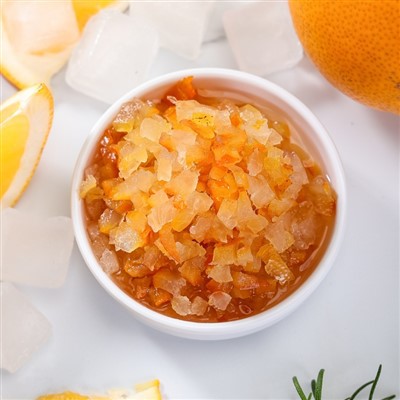
As a citrus peel supplier, I offer a variety of citrus peel products that can be used in these art projects. For example, Candied Citrus Peel has a shiny and smooth surface, which can be interesting to incorporate into art. The sugary coating gives it a unique look and can add a bit of sparkle to a collage or a sculpture.


Organic Citrus Peel Chips are thin and crispy, making them ideal for creating delicate details in art. They can be easily cut and arranged to form fine lines or small shapes in a collage.
Citrus Peel Strips are long and flexible, which can be used to create flowing and dynamic shapes in sculptures or prints. They can be wrapped around objects or used to form the outline of a design.
Environmental and Economic Benefits
Using citrus peels in art projects also has environmental and economic benefits. From an environmental perspective, it helps to reduce waste. Citrus peels are often discarded after the fruit is consumed, but by using them in art, we can give them a new life. This is in line with the principles of sustainability and the circular economy.
Economically, it provides an affordable alternative to traditional art materials. For artists on a budget, citrus peels are readily available and relatively inexpensive. As a supplier, I can offer bulk quantities of citrus peels at a reasonable price, making it accessible for both amateur and professional artists.
Encouraging Creativity and Collaboration
I believe that the use of citrus peels in art has the potential to bring people together. Art workshops can be organized where participants can learn how to use citrus peels in different art forms. These workshops can be a great way to promote creativity, environmental awareness, and community building.
Art galleries could also showcase art pieces made from citrus peels. This would not only expose the public to this unique form of art but also provide a platform for artists to gain recognition. As a citrus peel supplier, I am eager to support such initiatives and work with artists, art institutions, and community groups to explore the full potential of citrus peels in art.
Contact for Procurement
If you are an artist, an art institution, or someone interested in using citrus peels for art projects, I invite you to contact me for procurement. I can provide high - quality citrus peels in various forms, and we can discuss your specific needs and requirements. Whether you need a small quantity for a personal art project or a large order for a commercial art venture, I am here to assist you. Let's work together to turn these humble citrus peels into beautiful works of art.
References
- "The Art of Using Natural Materials" by Smith, J. (2018)
- "Sustainable Art Practices" by Brown, A. (2019)
- "Citrus: Botany, Production, and Uses" by Green, C. (2020)