Are there any ethical concerns related to sweet citrus juice production?
As a supplier of Sweet Citrus Juice, I've often been confronted with the question of whether there are ethical concerns in the production of sweet citrus juice. This is a topic that delves into multiple aspects, from environmental impact to labor practices and animal welfare. In this blog post, I'll explore these issues in depth.
Environmental Impact
One of the most significant ethical concerns in sweet citrus juice production is its environmental footprint. Citrus orchards require large amounts of water, pesticides, and fertilizers to thrive. The excessive use of these resources can lead to water pollution, soil degradation, and loss of biodiversity.
Water is a precious resource, and citrus cultivation is known to be water - intensive. In regions where water scarcity is an issue, the large - scale irrigation of citrus orchards can exacerbate the problem. For example, in some arid areas, the extraction of groundwater for citrus farming has led to the depletion of aquifers, affecting local ecosystems and the availability of water for other uses such as drinking and agriculture of staple crops.
Pesticides and fertilizers are commonly used in citrus production to protect the crops from pests and diseases and to enhance growth. However, these chemicals can have detrimental effects on the environment. Pesticides can contaminate water sources, harm non - target organisms such as beneficial insects and birds, and even pose risks to human health. Fertilizers, especially when over - applied, can cause eutrophication in water bodies, leading to algal blooms that deplete oxygen levels and kill fish and other aquatic life.
To address these environmental concerns, many citrus juice producers, including our company, are adopting sustainable farming practices. We are investing in water - efficient irrigation systems such as drip irrigation, which can significantly reduce water consumption. Additionally, we are exploring the use of natural pest control methods and organic fertilizers to minimize the use of synthetic chemicals. By doing so, we aim to reduce our environmental impact and contribute to the long - term sustainability of citrus production.
Labor Practices
Another important ethical consideration is labor practices in the citrus industry. Citrus harvesting is a labor - intensive process, and in many regions, workers are exposed to difficult working conditions. Low wages, long working hours, and lack of proper safety equipment are common issues faced by citrus farm workers.
In some cases, there have been reports of child labor and forced labor in the citrus supply chain. These practices are not only unethical but also illegal in most countries. As a responsible supplier, we are committed to ensuring fair labor practices throughout our supply chain. We work closely with our farmers and suppliers to ensure that workers are paid a fair wage, provided with proper working conditions, and protected from exploitation.
We also support initiatives to improve the well - being of workers, such as providing training programs on safety and health, and promoting the formation of labor unions to give workers a voice in the workplace. By addressing labor issues, we believe that we can create a more just and sustainable citrus juice industry.
Animal Welfare
Although not as immediately obvious as environmental and labor concerns, animal welfare can also be an issue in sweet citrus juice production. Citrus orchards can be home to a variety of wildlife, and the use of certain farming practices can have an impact on their habitats.
For example, the clearing of land for new citrus orchards can destroy the natural habitats of many animals, leading to a decline in their populations. Additionally, the use of pesticides can harm animals that come into contact with the treated crops or contaminated water sources.
To mitigate these impacts, we are taking steps to protect the natural habitats within and around our citrus orchards. We are leaving buffer zones of natural vegetation to provide shelter and food for wildlife. We also monitor the use of pesticides to ensure that they are used in a way that minimizes harm to non - target animals.
Transparency and Traceability
In today's consumer - conscious market, transparency and traceability are crucial ethical aspects of sweet citrus juice production. Consumers want to know where their juice comes from, how it is produced, and whether it meets certain ethical standards.
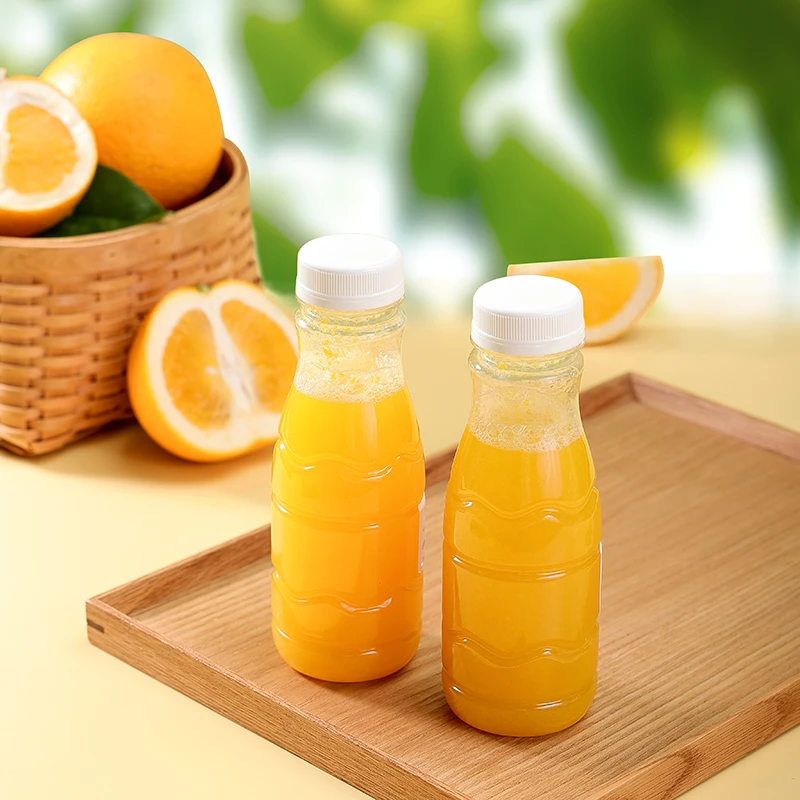
We understand the importance of transparency and traceability, and we are implementing systems to track our citrus juice from the orchard to the consumer. Our NFC Citrus Juice and Fresh Sweet Citrus Juice products are labeled with detailed information about the origin of the citrus fruits, the farming practices used, and any certifications we have obtained.
By providing this information, we enable consumers to make informed choices about the products they buy. We believe that transparency and traceability can also help to build trust between producers and consumers, and drive the industry towards more ethical and sustainable practices.
Conclusion
In conclusion, there are indeed several ethical concerns related to sweet citrus juice production, including environmental impact, labor practices, animal welfare, and the need for transparency and traceability. However, as a supplier of Sweet Citrus Juice, we are committed to addressing these concerns.

We are continuously working to improve our production processes, adopt sustainable farming practices, ensure fair labor conditions, protect animal welfare, and provide transparent information to our consumers. We believe that by taking these steps, we can not only produce high - quality sweet citrus juice but also contribute to the creation of a more ethical and sustainable citrus industry.
If you are interested in purchasing our sweet citrus juice products, we invite you to engage in a procurement discussion. We are eager to work with you and meet your specific needs. Whether you are a retailer, a food service provider, or an individual looking for high - quality citrus juice, we are here to offer you the best products and services.
References
- FAO. (2020). Sustainable citrus production guidelines. Food and Agriculture Organization of the United Nations.
- International Labour Organization. (2019). Global estimates of modern slavery: Forced labour and forced marriage.
- World Wildlife Fund. (2021). Protecting habitats in agricultural landscapes. World Wildlife Fund.