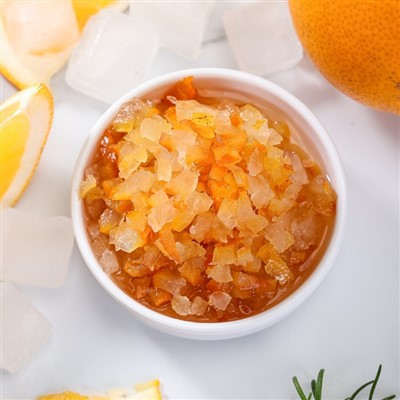
Can pure lemon juice be used in rice dishes? This is a question that many food enthusiasts and home cooks often ponder. As a supplier of Pure Lemon Juice, I've had the privilege of exploring the culinary potential of this vibrant ingredient. In this blog post, we'll delve into the science, flavor, and practicality of using pure lemon juice in rice dishes.
The Science Behind Lemon Juice in Rice
Lemons are a rich source of vitamin C, antioxidants, and citric acid. The citric acid in lemon juice plays a crucial role in cooking. It has a low pH, which means it's acidic. When added to rice, this acidity can have several effects.
Firstly, the acid can help break down the starches in the rice. Rice is primarily composed of starch, and the process of cooking rice involves gelatinizing these starches. The addition of lemon juice can speed up this process slightly, resulting in a softer and more tender texture. However, it's important to use the right amount; too much lemon juice can make the rice overly mushy.
Secondly, the acid in lemon juice can help preserve the color of the rice. In some types of rice, especially those with natural pigments, oxidation can cause the rice to turn dull over time. The antioxidants in lemon juice can slow down this oxidation process, keeping the rice looking fresh and appealing.
Flavor Enhancement
One of the most significant benefits of using pure lemon juice in rice dishes is the flavor boost it provides. Lemon juice has a bright, citrusy flavor that can cut through the richness of some rice dishes and add a refreshing note.
For example, in a simple white rice dish, a splash of lemon juice can transform the otherwise bland taste into something zesty and exciting. It pairs particularly well with herbs like parsley, cilantro, or dill. You can create a quick and easy lemon - herb rice by cooking the rice as usual, then adding a tablespoon or two of 100% Lemon Juice along with a handful of chopped herbs.
In more complex rice dishes, such as paella or biryani, lemon juice can balance the spices and add a layer of complexity. The acidity of the lemon juice can help mellow out the heat of spicy peppers and enhance the overall flavor profile. It can also work well with seafood - based rice dishes. The lemon juice can complement the natural flavors of fish or shrimp, creating a harmonious blend of tastes.


Types of Rice Dishes Suitable for Lemon Juice
- Plain White Rice: As mentioned earlier, a little lemon juice can turn plain white rice into a more interesting side dish. You can serve it with grilled chicken, fish, or as a base for a vegetarian stir - fry.
- Fried Rice: In fried rice, lemon juice can add a tangy twist. It can be added towards the end of the cooking process, just before you finish stir - frying. The heat will cook off some of the raw lemon flavor, leaving behind a subtle citrus note.
- Risotto: Risotto is a creamy rice dish that often benefits from a touch of acidity. A squeeze of Fresh Squeezed Lemon Juice at the end of the cooking process can brighten up the rich, cheesy flavors and make the dish more refreshing.
- Rice Pilaf: Rice pilaf is typically cooked with broth and often includes onions, carrots, and other vegetables. Lemon juice can be added during the cooking process or as a finishing touch. It can enhance the flavors of the vegetables and add a fresh element to the dish.
How to Use Pure Lemon Juice in Rice Dishes
- Cooking with Lemon Juice: You can add lemon juice to the water or broth when cooking the rice. Start with a small amount, such as one to two tablespoons for every cup of rice. This will infuse the rice with a subtle lemon flavor as it cooks.
- Finishing Touch: Another way to use lemon juice is as a finishing touch. After the rice is cooked, squeeze some fresh lemon juice over the top and stir it in gently. This method allows you to control the intensity of the lemon flavor and gives the rice a bright, fresh taste.
- Marinating: If you're using rice in a salad or a cold dish, you can marinate the cooked rice in a mixture of lemon juice, olive oil, and herbs. This will help the rice absorb the flavors and make it more flavorful.
Considerations When Using Lemon Juice in Rice
- Quantity: As with any ingredient, it's important to use the right amount of lemon juice. Too much lemon juice can make the rice too acidic and overpower the other flavors. Start with a small amount and adjust according to your taste preferences.
- Rice Type: Different types of rice may react differently to lemon juice. For example, long - grain rice may be more forgiving of larger amounts of lemon juice compared to short - grain rice, which can become sticky more easily.
- Other Ingredients: Consider the other ingredients in your rice dish. If you're using a lot of acidic ingredients already, such as tomatoes, you may want to use less lemon juice. On the other hand, if the dish is very rich or spicy, a little more lemon juice can help balance the flavors.
Conclusion
In conclusion, pure lemon juice can be a wonderful addition to rice dishes. It offers both scientific benefits, such as starch breakdown and color preservation, and significant flavor enhancement. Whether you're making a simple weeknight meal or an elaborate feast, lemon juice can elevate your rice dishes to a new level.
If you're interested in exploring the culinary possibilities of pure lemon juice in your rice dishes, we invite you to contact us for more information and to discuss potential purchasing opportunities. Our high - quality Pure Lemon Juice is sourced from the freshest lemons and is sure to add a burst of flavor to your cooking.
References
- McGee, Harold. On Food and Cooking: The Science and Lore of the Kitchen. Scribner, 2004.
- Peterson, James. A Cook's Book of Ingredients. Houghton Mifflin Harcourt, 2010.