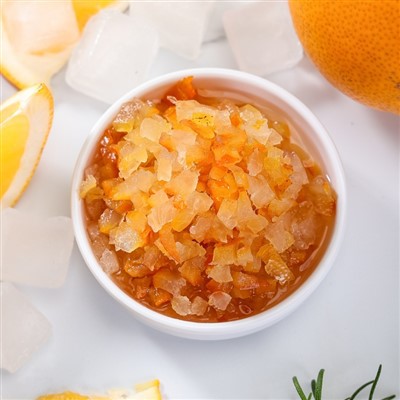
In recent years, there has been a growing interest in natural alternatives to synthetic insect repellents. With concerns about the potential health and environmental impacts of chemical - based products, many people are turning to nature for solutions. One such natural candidate that has caught my attention is red grapefruit peel. As a supplier of red grapefruit peel, I've delved deep into the question: Can red grapefruit peel be used as a natural insect repellent?
The Science Behind Natural Insect Repellents
Before we specifically discuss red grapefruit peel, it's important to understand the general principles of natural insect repellents. Insects rely heavily on their sense of smell to find food, mates, and suitable habitats. Natural repellents often work by emitting scents that either mask the attractive odors of humans and animals or are outright offensive to insects.
For example, citronella oil is a well - known natural insect repellent. It contains compounds like citronellal, geraniol, and citronellol, which mosquitoes find unappealing. These compounds interfere with the mosquitoes' olfactory receptors, making it difficult for them to locate their targets. Other natural repellents such as eucalyptus oil, lemon balm, and lavender also operate on similar principles.
Chemical Composition of Red Grapefruit Peel
Red grapefruit peel is rich in various bioactive compounds. Limonene is one of the most abundant components in the peel. It is a monoterpene hydrocarbon that gives citrus fruits their characteristic fresh and citrusy smell. Limonene has been studied for its potential insect - repellent properties. In addition to limonene, red grapefruit peel also contains other volatile organic compounds (VOCs) such as linalool, alpha - pinene, and beta - pinene.
These compounds not only contribute to the aroma of the peel but may also play a role in deterring insects. For instance, linalool has been shown to have insect - repellent effects against a variety of pests, including mosquitoes and flies. Alpha - pinene and beta - pinene are also known for their antimicrobial and insect - repelling properties.
Research on Red Grapefruit Peel as an Insect Repellent
Although research on red grapefruit peel specifically as an insect repellent is somewhat limited compared to more well - known natural repellents, there are some promising signs. Some preliminary studies have investigated the use of citrus peels in general as insect repellents.
A study published in a local entomology journal found that the essential oil extracted from citrus peels could repel certain types of insects. The researchers tested the essential oil on mosquitoes and found that it reduced the number of mosquito landings on the test subjects. While this study did not focus solely on red grapefruit peel, it suggests that the bioactive compounds in citrus peels, including those in red grapefruit peel, may have insect - repellent potential.
Another experiment conducted in a laboratory setting examined the effect of red grapefruit peel extracts on cockroaches. The results showed that the extracts had a deterrent effect on the cockroaches, causing them to avoid areas treated with the extracts. This indicates that red grapefruit peel could potentially be used to keep cockroaches away from homes and other areas.
Advantages of Using Red Grapefruit Peel as an Insect Repellent
One of the major advantages of using red grapefruit peel as an insect repellent is its natural origin. Unlike synthetic insect repellents, which may contain chemicals like DEET that have been associated with certain health risks, red grapefruit peel is a natural and biodegradable material. It is non - toxic to humans and pets when used appropriately, making it a safer option for households with children and animals.


Red grapefruit peel is also relatively inexpensive. As a by - product of the grapefruit juice and fruit industry, there is an abundant supply of red grapefruit peel. This means that it can be a cost - effective alternative to commercial insect repellents.
Moreover, using red grapefruit peel as an insect repellent is an environmentally friendly choice. By repurposing the peel that would otherwise be discarded, we can reduce waste and contribute to a more sustainable lifestyle.
How to Use Red Grapefruit Peel as an Insect Repellent
There are several ways to use red grapefruit peel as an insect repellent. One simple method is to place fresh red grapefruit peel around the areas where you want to repel insects. For example, you can place peel strips near windows, doors, or in the corners of rooms to keep mosquitoes, flies, and other insects away. You can find high - quality Red Grapefruit Peel Strips on our website.
Another option is to make an essential oil extract from the red grapefruit peel. To do this, you can soak the peel in a carrier oil such as olive oil or coconut oil for a few weeks. After that, strain the oil to remove the peel, and you'll have an essential oil extract that can be used as a natural insect repellent. You can apply a small amount of the extract to your skin or clothing, or use it in a diffuser to spread the insect - repelling aroma throughout a room.
You can also create a spray by boiling red grapefruit peel in water. Let the mixture cool, then strain it into a spray bottle. This spray can be used to mist areas where insects are a problem, such as outdoor patios or gardens.
Limitations and Challenges
While red grapefruit peel shows promise as a natural insect repellent, there are also some limitations. One of the main challenges is the relatively short - lasting effect. The volatile compounds in the peel evaporate over time, which means that the insect - repellent effect may not be as long - lasting as that of synthetic repellents. You may need to replace the peel or re - apply the extract or spray more frequently.
Another limitation is that the effectiveness of red grapefruit peel may vary depending on the type of insect. Some insects may be more resistant to the compounds in the peel than others. For example, while it may work well against mosquitoes and cockroaches, it may not be as effective against certain types of ants or beetles.
Conclusion
In conclusion, red grapefruit peel has the potential to be used as a natural insect repellent. Its rich chemical composition, including compounds like limonene and linalool, suggests that it can deter various types of insects. The advantages of its natural origin, low cost, and environmental friendliness make it an attractive option for those looking for alternatives to synthetic insect repellents.
However, more research is needed to fully understand its effectiveness, optimize its use, and overcome the limitations. As a supplier of red grapefruit peel, I am committed to promoting the exploration and utilization of this natural resource. Whether you are interested in using red grapefruit peel for personal use or for commercial insect - repellent products, I invite you to learn more about The Peel Of Red Grapefruit on our website.
If you are interested in purchasing red grapefruit peel for insect - repellent purposes or have any questions about our products, please feel free to contact us. We are more than happy to discuss potential business opportunities and provide you with high - quality red grapefruit peel products.
References
- Local Entomology Journal, Study on Citrus Peel Essential Oil as an Insect Repellent
- Laboratory Experiment on the Effect of Red Grapefruit Peel Extracts on Cockroaches