Citrus fruits have long been celebrated for their refreshing taste and vibrant colors, but did you know that citrus juice is also a powerhouse of antioxidants? As a leading supplier of high - quality citrus juice, I'm excited to delve into the science behind these beneficial compounds and share why our Fresh Sweet Citrus Juice and NFC Citrus Juice are not only delicious but also a healthy addition to your diet.
What are Antioxidants?
Antioxidants are substances that can prevent or slow damage to cells caused by free radicals, unstable molecules that the body produces as a reaction to environmental and other pressures. Free radicals can cause oxidative stress, which has been linked to a variety of health problems, including heart disease, cancer, and premature aging. Antioxidants work by neutralizing free radicals, thus reducing oxidative stress and protecting the body's cells.
Antioxidants in Citrus Juice
Citrus fruits, such as oranges, lemons, limes, and grapefruits, are rich in several types of antioxidants. One of the most well - known antioxidants in citrus juice is vitamin C, also known as ascorbic acid. Vitamin C is a water - soluble antioxidant that plays a crucial role in the immune system, collagen synthesis, and iron absorption. It can also help protect cells from damage caused by free radicals and may reduce the risk of chronic diseases.
In addition to vitamin C, citrus juice contains other antioxidants, including flavonoids. Flavonoids are a group of polyphenolic compounds that have been shown to have anti - inflammatory, anti - cancer, and anti - microbial properties. Some of the flavonoids found in citrus juice include hesperidin, naringin, and eriocitrin.
Hesperidin, which is abundant in oranges and lemons, has been studied for its potential to improve cardiovascular health. It may help reduce blood pressure, lower cholesterol levels, and prevent the oxidation of LDL (low - density lipoprotein) cholesterol, which is a major risk factor for heart disease.
Naringin, found mainly in grapefruits, has antioxidant and anti - inflammatory effects. It may also have potential benefits for weight management and blood sugar control. Eriocitrin, present in lemons, has been shown to have antioxidant and anti - allergic properties.
Health Benefits of Antioxidants in Citrus Juice
The antioxidants in citrus juice offer a wide range of health benefits. Here are some of the key ways in which these compounds can improve your health:
Boosting the Immune System
Vitamin C is essential for a healthy immune system. It helps stimulate the production and function of white blood cells, which are responsible for fighting off infections and diseases. Drinking citrus juice regularly can help strengthen your immune system and reduce your risk of getting sick.
Protecting Against Chronic Diseases
The antioxidants in citrus juice may help protect against chronic diseases such as heart disease, cancer, and diabetes. By neutralizing free radicals and reducing oxidative stress, these compounds can help prevent damage to cells and DNA, which can lead to the development of these diseases.
Promoting Skin Health
Vitamin C is important for the production of collagen, a protein that gives skin its structure and elasticity. The antioxidants in citrus juice can also help protect the skin from damage caused by UV radiation and environmental pollutants, reducing the signs of aging such as wrinkles and age spots.


Improving Digestive Health
Citrus juice contains dietary fiber, which is important for a healthy digestive system. The antioxidants in citrus juice may also help reduce inflammation in the gut and protect against digestive disorders such as ulcerative colitis and irritable bowel syndrome.
Our Citrus Juice Products
As a citrus juice supplier, we are committed to providing our customers with the highest quality products. Our Fresh Sweet Citrus Juice is made from freshly squeezed citrus fruits, ensuring that you get all the natural antioxidants and nutrients. It has a sweet and refreshing taste that makes it a perfect addition to your daily diet.
Our NFC Citrus Juice (Not From Concentrate) is another popular product. NFC juice is made by directly pressing the fruits without the need for concentration and re - constitution, which helps preserve the natural flavor and nutritional value of the juice. It contains a high concentration of antioxidants, making it a healthy and delicious choice.
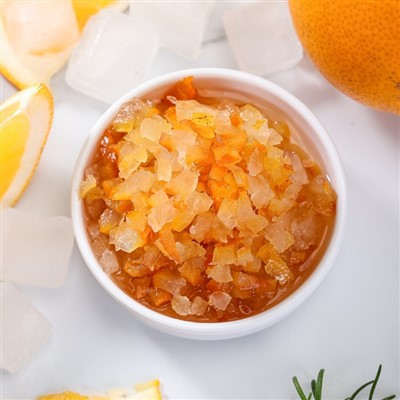
We also offer Diced Lemon Peel, which is a great source of antioxidants and can be used in a variety of recipes. The lemon peel contains even higher levels of flavonoids than the juice itself, so adding diced lemon peel to your dishes or beverages can increase your antioxidant intake.
Quality Assurance
We take great pride in the quality of our citrus juice products. We source our fruits from the best citrus farms, where they are grown using sustainable farming practices. Our production process is carefully monitored to ensure that the juice retains its natural flavor, color, and nutritional value. We also conduct rigorous quality control tests to ensure that our products meet the highest standards of safety and quality.
Conclusion
In conclusion, citrus juice is indeed a rich source of antioxidants, including vitamin C and flavonoids. These antioxidants offer a wide range of health benefits, from boosting the immune system to protecting against chronic diseases. As a supplier of high - quality citrus juice, we are dedicated to providing you with products that are not only delicious but also packed with these beneficial compounds.
If you are interested in purchasing our citrus juice products or have any questions about our offerings, we encourage you to reach out to us for a procurement discussion. We look forward to working with you to meet your citrus juice needs.
References
- Block, G., Patterson, B., & Subar, A. (1992). Fruit, vegetables, and cancer prevention: A review of the epidemiological evidence. Nutrition and Cancer, 18(1), 1 - 29.
- Knekt, P., Järvinen, R., Reunanen, A., & Maatela, J. (1994). Antioxidant vitamin intake and coronary mortality in a longitudinal population study. American Journal of Epidemiology, 139(11), 1180 - 1189.
- Prior, R. L., & Cao, G. (2000). In vivo total antioxidant capacity: Comparison of different analytical methods. Free Radical Biology & Medicine, 28(12), 1703 - 1711.