Hey there! As a citrus juice supplier, I've been in the thick of the beverage industry for quite some time. One question that often pops up is, "How does citrus juice compare to artificial fruit flavors?" Well, let's dive right in and break it down.
First off, let's talk about the taste. There's just no beating the real deal. Citrus fruits like oranges, lemons, and grapefruits have a complex flavor profile that's hard to replicate. When you take a sip of Fresh Sweet Citrus Juice, you're getting a burst of natural sweetness, a hint of acidity, and a whole lot of that unique citrus zing. It's like a mini vacation for your taste buds, transporting you to a sunny citrus grove.
On the other hand, artificial fruit flavors are created in a lab using a combination of chemicals. While they can mimic the general taste of citrus, they often lack that depth and authenticity. The flavors can seem flat or overly sweet, and they just don't have that same fresh, natural quality. It's like comparing a painted picture of a sunset to the real thing – one is a beautiful imitation, but the other is a breathtaking experience.
Another big difference is in the nutritional value. Citrus juice is a powerhouse of vitamins and minerals. Oranges, for example, are loaded with vitamin C, which is essential for a healthy immune system. They also contain folate, potassium, and antioxidants that can help protect your cells from damage. Sweet Citrus Juice is not only delicious but also a great way to give your body a boost.
Artificial fruit flavors, however, don't offer the same nutritional benefits. They're usually just a blend of sugar, artificial colors, and flavorings, with little to no real fruit content. So, while they might taste good in the moment, they're not doing much for your health in the long run. It's like choosing a candy bar over a piece of fruit – one might satisfy your sweet tooth, but the other is actually good for you.
When it comes to the production process, there's a significant contrast as well. Making citrus juice is a labor - intensive but straightforward process. We start by sourcing the freshest citrus fruits from local farms. The fruits are then washed, squeezed, and filtered to remove any seeds or pulp. No harsh chemicals or artificial additives are used in the process, just good old - fashioned natural ingredients.
Artificial fruit flavors, on the other hand, involve a complex chemical synthesis. Manufacturers have to carefully select and combine different chemicals to create the desired flavor. This process can be energy - intensive and may involve the use of potentially harmful substances. It's a far cry from the simple, natural process of making real citrus juice.
In terms of the environmental impact, citrus juice has a clear advantage. Citrus fruits are a renewable resource, and many citrus farms follow sustainable farming practices. They use natural fertilizers, conserve water, and protect the local ecosystem. When you choose citrus juice, you're supporting a more environmentally friendly industry.
Artificial fruit flavors, however, often rely on the production of synthetic chemicals, which can have a negative impact on the environment. The manufacturing process can generate pollution, and the disposal of chemical waste can be a challenge. It's important to consider these factors when making a choice between real and artificial flavors.
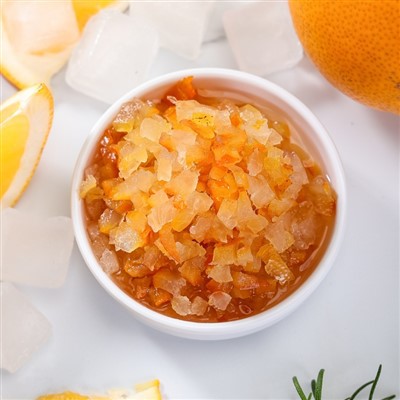
Now, let's talk about versatility. Citrus juice is incredibly versatile. You can drink it on its own, use it in cocktails, add it to smoothies, or use it as a marinade for meats and vegetables. Diced Lemon Peel can also be used in baking, adding a wonderful citrus aroma and flavor to cakes, cookies, and pastries.
Artificial fruit flavors are more limited in their uses. They're mainly used in processed foods and beverages, and they don't have the same range of applications as real citrus juice. You can't really use them in the same creative ways as you can with fresh citrus products.
In the market, there's a growing demand for natural and healthy food products. Consumers are becoming more conscious about what they eat and drink, and they're increasingly choosing real, natural ingredients over artificial ones. As a citrus juice supplier, I've seen this trend firsthand. More and more customers are looking for high - quality, fresh citrus juice that they can trust.
So, if you're a business owner in the food or beverage industry, offering real citrus juice can give you a competitive edge. It allows you to cater to the growing demand for natural products and differentiate your brand from the competition. Whether you're a restaurant, a juice bar, or a food manufacturer, incorporating citrus juice into your menu or products can be a smart move.
If you're interested in learning more about our citrus juice products or are looking to start a partnership, I'd love to hear from you. We offer a wide range of citrus juice options, from freshly squeezed orange juice to blended citrus cocktails. Our products are of the highest quality, and we're committed to providing excellent customer service.
In conclusion, when it comes to comparing citrus juice to artificial fruit flavors, the choice is clear. Citrus juice offers a superior taste, better nutritional value, a more sustainable production process, and greater versatility. It's a natural, healthy, and delicious option that's hard to beat. So, why settle for an imitation when you can have the real thing?
References


- "The Health Benefits of Citrus Fruits." American Heart Association.
- "Sustainable Citrus Farming Practices." Journal of Agricultural Sustainability.
- "Artificial Flavors: What You Need to Know." Consumer Reports.