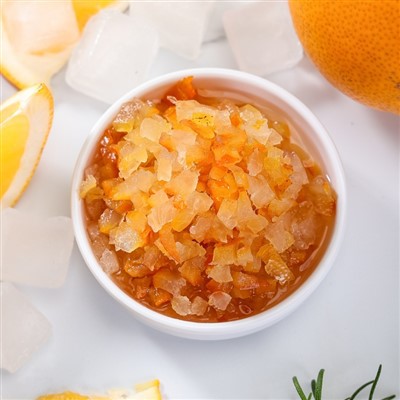
Hey there! I'm a supplier of Citrus Peel Strips, and I know that one of the things people love about these treats is that chewy texture. But sometimes, getting that perfect chewiness can be a bit of a challenge. In this blog post, I'm going to share some tips on how to make Citrus Peel Strips more chewy.
Understanding the Basics of Citrus Peel Strips
First off, let's talk a bit about what Citrus Peel Strips are. You can check out more details about them on our Citrus Peel Strips page. These strips are made from the peels of citrus fruits like oranges, lemons, and limes. They're usually candied, which gives them that sweet flavor and that lovely chewiness we're after.
The process of making Citrus Peel Strips involves a few key steps. First, the peels are cleaned and cut into strips. Then, they're usually blanched in boiling water to remove some of the bitterness. After that, they're cooked in a sugar syrup, which helps to preserve them and add that sweet taste. Finally, they're dried to the right consistency.
Factors Affecting Chewiness
There are several factors that can affect how chewy your Citrus Peel Strips turn out. Let's take a look at some of the most important ones.
Sugar Content
The amount of sugar you use in the syrup is crucial. Sugar acts as a humectant, which means it helps to retain moisture. If you use too little sugar, the strips might dry out too much and become hard and brittle. On the other hand, if you use too much sugar, the syrup might crystallize, and the strips won't have that nice, chewy texture. A good rule of thumb is to use a ratio of about 1 part sugar to 1 part water for the syrup.
Cooking Time
How long you cook the peel strips in the syrup also matters. If you cook them for too short a time, they won't absorb enough sugar, and they'll be less chewy. But if you cook them for too long, they might break down and lose their shape. You want to cook them until they're tender but still hold their form. Usually, this takes about 30 minutes to an hour, depending on the thickness of the strips.
Drying Process
The drying process is another key factor. After cooking the strips in the syrup, you need to dry them to remove some of the excess moisture. If you dry them too quickly, they might become hard on the outside while still being moist on the inside, which can lead to a less-than-ideal texture. On the other hand, if you don't dry them enough, they might be too sticky and not have that firm chewiness. A slow, gentle drying process is usually best. You can dry them at a low temperature in an oven or in a food dehydrator.


Tips for Making More Chewy Citrus Peel Strips
Now that we understand the factors that affect chewiness, let's get into some specific tips for making your Citrus Peel Strips more chewy.
Choose the Right Citrus Fruits
Not all citrus fruits are created equal when it comes to making chewy peel strips. Thicker-skinned fruits like oranges and grapefruits tend to work better than thinner-skinned ones like lemons and limes. The thicker peels have more structure, which helps them to hold up during the cooking and drying processes.
Use High-Quality Sugar
The quality of the sugar you use can also make a difference. Opt for a high-quality granulated sugar, as it will dissolve more easily in the syrup and give you a smoother texture. Avoid using brown sugar or other types of sweeteners, as they can add a different flavor and might not work as well for achieving that chewy consistency.
Add a Bit of Acid
Adding a small amount of acid, like lemon juice or vinegar, to the syrup can help to break down the pectin in the peel, which makes it more tender and chewy. Just add about a tablespoon of acid per cup of syrup.
Control the Drying Temperature
As I mentioned earlier, the drying temperature is important. Set your oven or dehydrator to a low temperature, around 140°F to 150°F (60°C to 65°C). This slow, gentle drying process will help the strips to dry evenly and develop that perfect chewiness.
Let Them Age
After drying the Citrus Peel Strips, let them sit for a few days in an airtight container. This allows the flavors to meld and the texture to become even more chewy. You'll be surprised at how much the chewiness improves over time.
Other Citrus Peel Products
If you're interested in other citrus peel products, we also offer Candied Citrus Peel and Organic Citrus Peel Chips. These products also have their own unique textures and flavors, and you might find them just as delicious as the Citrus Peel Strips.
Contact Us for Procurement
If you're a business looking to purchase our Citrus Peel Strips or any of our other citrus peel products, we'd love to hear from you. We offer high-quality products at competitive prices, and we're committed to providing excellent customer service. Whether you're a retailer, a baker, or a food manufacturer, we can work with you to meet your specific needs. Reach out to us to start the procurement discussion and see how we can help you add these delicious citrus peel treats to your product line.
References
- "The Science of Cooking with Citrus Fruits" by Food Science Journal
- "Candying and Preserving Fruits and Vegetables" by Home Preservation Handbook
So there you have it, folks! These are some of the best ways to make Citrus Peel Strips more chewy. Give these tips a try, and I'm sure you'll be happy with the results. If you have any questions or want to share your own experiences, feel free to leave a comment below. Happy citrus peel strip making!