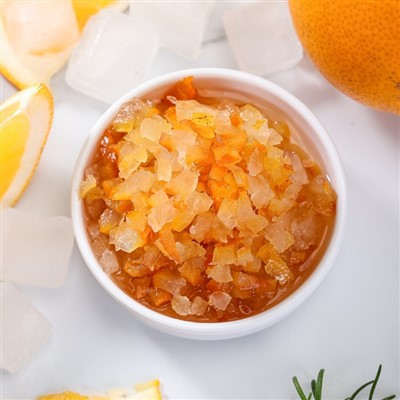
Preserving the flavor of citrus peel strips is a crucial aspect for anyone involved in the industry, especially for a supplier like me. The unique and intense flavor of citrus peel strips can enhance a wide range of culinary creations, from baking to confectionery. In this blog, I will share some scientific and practical methods to maintain the rich flavor of these delightful strips, ensuring that our customers receive the best product possible.


Understanding the Key Components of Citrus Peel Flavor
Before delving into preservation methods, it's essential to understand what gives citrus peel its distinctive flavor. The flavor of citrus peel primarily comes from essential oils, which are concentrated in the peel's outer layer. These oils contain a complex mixture of volatile compounds, such as limonene, linalool, and citral, which contribute to the characteristic citrus aroma and taste. Additionally, the peel also contains natural acids and bitter compounds that add depth and complexity to the flavor.
The key to preserving the flavor of citrus peel strips lies in protecting these volatile compounds from degradation. Oxidation, heat, and moisture are the main factors that can cause the breakdown of essential oils and other flavor compounds. Therefore, proper handling and storage methods are essential to minimize these effects.
Harvesting and Preparation
The process of preserving the flavor of citrus peel strips begins with careful harvesting. To ensure the highest quality and flavor, it's crucial to select ripe and healthy citrus fruits. Ripe fruits contain more essential oils and flavor compounds, resulting in a more intense and aromatic peel. The best time to harvest citrus fruits is when they are fully colored and have reached their peak ripeness.
Once the fruits are harvested, the next step is to prepare the peel. Start by washing the fruits thoroughly to remove any dirt or debris. Then, use a sharp knife or a zester to carefully remove the outer layer of the peel, being careful not to include the bitter white pith. The peel should be cut into thin strips of uniform size to ensure even drying and preservation.
Drying Methods
Drying is one of the most common and effective methods for preserving the flavor of citrus peel strips. By removing the moisture from the peel, we can slow down the growth of microorganisms and prevent the oxidation of essential oils. There are several drying methods available, each with its own advantages and disadvantages.
Air Drying
Air drying is a simple and traditional method that involves hanging the citrus peel strips in a well-ventilated area away from direct sunlight. This method allows the peel to dry slowly and naturally, preserving its flavor and aroma. However, air drying can be a time-consuming process, especially in humid conditions, and there is a risk of mold growth if the peel is not dried thoroughly.
Oven Drying
Oven drying is a faster alternative to air drying. To oven dry citrus peel strips, preheat the oven to a low temperature (around 150°F or 65°C). Place the strips on a baking sheet lined with parchment paper and bake for several hours, turning them occasionally until they are completely dry and brittle. Oven drying can help to retain the flavor of the peel, but it's important to monitor the temperature carefully to avoid overheating, which can cause the essential oils to evaporate.
Dehydrator Drying
Using a dehydrator is another excellent option for drying citrus peel strips. Dehydrators are designed to circulate warm air evenly around the food, ensuring that it dries quickly and evenly. Set the dehydrator to a low temperature (around 135°F or 57°C) and place the peel strips on the trays. Depending on the thickness of the strips, drying may take anywhere from 4 to 8 hours. Dehydrator drying is a convenient and efficient method that can help to preserve the flavor and color of the peel.
Storage Conditions
Proper storage is crucial for maintaining the flavor of citrus peel strips over time. After drying, the strips should be stored in an airtight container away from light, heat, and moisture. Glass jars or plastic containers with tight-fitting lids are ideal for storing citrus peel strips.
It's also important to store the strips in a cool and dry place. A pantry or a cupboard away from the stove or other heat sources is a good choice. Avoid storing the strips in the refrigerator, as the moisture in the fridge can cause the peel to become damp and lose its flavor.
Packaging Considerations
In addition to proper storage, the packaging of citrus peel strips also plays a significant role in preserving their flavor. As a supplier, we pay close attention to the packaging materials we use. Vacuum-sealed bags are an excellent option as they remove the oxygen from the package, reducing the risk of oxidation. This helps to maintain the freshness and flavor of the peel strips for a longer period.
Another option is to use nitrogen-flushed packaging. Nitrogen is an inert gas that can replace the oxygen in the package, creating a protective atmosphere. This method is commonly used in the food industry to preserve the quality of perishable products.
Using Preservatives (Optional)
In some cases, using natural preservatives can help to extend the shelf life and preserve the flavor of citrus peel strips. For example, adding a small amount of lemon juice or citric acid can act as a natural antioxidant, helping to prevent the oxidation of essential oils. However, it's important to use preservatives in accordance with food safety regulations and to ensure that they do not alter the taste or quality of the product.
Applications and Benefits of Preserved Citrus Peel Strips
Preserved citrus peel strips have a wide range of applications in the culinary world. They can be used in baking, such as adding them to cakes, cookies, and bread for a burst of citrus flavor. They are also a popular ingredient in confectionery, including candies, chocolates, and ice creams. Additionally, citrus peel strips can be used to make teas, syrups, and cocktails, adding a refreshing and aromatic twist.
The benefits of using preserved citrus peel strips are numerous. They not only add a unique and delicious flavor to dishes but also provide a natural source of vitamins and antioxidants. Citrus peel is rich in vitamin C, flavonoids, and other beneficial compounds that have been linked to various health benefits, such as boosting the immune system and reducing inflammation.
Conclusion and Call to Action
Preserving the flavor of citrus peel strips requires careful handling, proper drying, and appropriate storage. By following the methods outlined in this blog, we can ensure that our customers receive high-quality citrus peel strips with a rich and intense flavor.
If you are interested in purchasing our Citrus Peel Strips, Organic Citrus Peel Chips, or Candied Citrus Peel, please don't hesitate to contact us for a procurement discussion. We are committed to providing the best products and services to meet your needs.
References
- "The Science of Citrus Flavor" - Journal of Food Science
- "Preservation Methods for Fruit and Vegetable Products" - Food Technology Magazine
- "Culinary Uses of Citrus Peel" - The Gourmet Cookbook