Is NFC Citrus Juice good for the heart?


As a supplier of NFC (Not From Concentrate) citrus juice, I've often been asked about the health benefits of our products, particularly their impact on heart health. In this blog, I'll explore the scientific evidence behind the claim that NFC citrus juice is good for the heart and share why our offerings can be a valuable addition to a heart - healthy diet.
The Nutritional Profile of NFC Citrus Juice
NFC citrus juice is a rich source of several nutrients that are beneficial for heart health. One of the most prominent nutrients is vitamin C. Vitamin C is a powerful antioxidant that helps protect cells from damage caused by free radicals. Free radicals can cause oxidative stress, which is linked to the development of heart disease. By neutralizing free radicals, vitamin C may help reduce the risk of atherosclerosis, a condition where plaque builds up in the arteries, narrowing them and increasing the risk of heart attack and stroke.
Another important nutrient in NFC citrus juice is potassium. Potassium is an electrolyte that plays a crucial role in maintaining normal blood pressure. It helps counteract the effects of sodium, which can cause blood pressure to rise when consumed in excess. A diet rich in potassium can help relax blood vessel walls, reducing the pressure on the arteries and lowering the overall risk of hypertension.
In addition to vitamin C and potassium, NFC citrus juice also contains flavonoids. Flavonoids are a group of plant compounds with antioxidant and anti - inflammatory properties. They have been shown to improve blood flow, reduce inflammation in the blood vessels, and lower cholesterol levels. Some specific flavonoids found in citrus fruits, such as hesperidin, have been associated with a reduced risk of heart disease in several studies.
Scientific Studies on NFC Citrus Juice and Heart Health
Numerous scientific studies have investigated the relationship between citrus juice consumption and heart health. A meta - analysis of several studies found that regular consumption of citrus fruits and juices was associated with a lower risk of stroke. The antioxidants and flavonoids in citrus juice were thought to contribute to this protective effect by reducing oxidative stress and inflammation in the blood vessels.
Another study focused on the impact of orange juice on cholesterol levels. Participants who drank orange juice daily for a certain period showed a significant decrease in LDL (low - density lipoprotein) cholesterol, often referred to as "bad" cholesterol, and an increase in HDL (high - density lipoprotein) cholesterol, or "good" cholesterol. This shift in cholesterol levels is beneficial for heart health as it reduces the risk of plaque formation in the arteries.
Furthermore, research has shown that the potassium in citrus juice can have a direct impact on blood pressure. A diet high in potassium - rich foods, including NFC citrus juice, has been recommended by health organizations as a way to manage and prevent high blood pressure.
Our NFC Citrus Juice Offerings
At our company, we take pride in offering high - quality NFC citrus juice. Our Sweet Citrus Juice is made from freshly squeezed citrus fruits, ensuring that all the beneficial nutrients are preserved. We carefully select the fruits at the peak of their ripeness to guarantee the best flavor and nutritional value.
Our Fresh Sweet Citrus Juice is another popular choice. It undergoes minimal processing, which means that it retains all the natural goodness of the citrus fruits. We don't add any artificial flavors, colors, or preservatives, so you can be sure that you're getting a pure and healthy product.
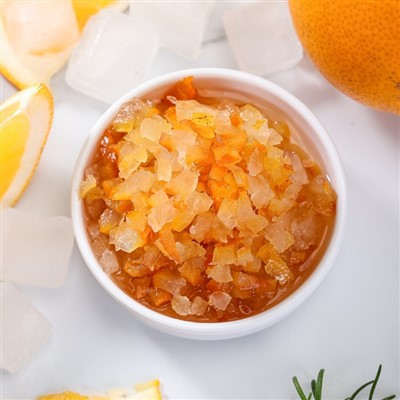
For those who like a bit of extra flavor, our Diced Lemon Peel can be added to the juice. The lemon peel is also a good source of flavonoids and adds a refreshing and zesty taste to the juice.
Incorporating NFC Citrus Juice into a Heart - Healthy Diet
Adding NFC citrus juice to your daily diet is a simple and delicious way to support heart health. You can start your day with a glass of fresh citrus juice instead of coffee or tea. It not only provides a natural energy boost but also delivers a dose of heart - friendly nutrients.
You can also use NFC citrus juice in cooking. It can be used as a marinade for meats, a dressing for salads, or a base for smoothies. By incorporating it into your meals, you can increase your intake of vitamins, minerals, and flavonoids.
However, it's important to note that while NFC citrus juice is beneficial for heart health, it should be consumed in moderation. Like all fruit juices, it contains natural sugars, and excessive consumption can lead to weight gain and other health issues. A recommended serving size is about 8 ounces (240 ml) per day.
Why Choose Our NFC Citrus Juice
When you choose our NFC citrus juice, you're not only getting a product that is good for your heart but also one that is of the highest quality. We follow strict quality control measures throughout the production process to ensure that every bottle of juice meets our high standards.
Our commitment to sustainability is another reason to choose our products. We source our fruits from local farmers who use environmentally friendly farming practices. This not only supports the local community but also reduces the carbon footprint associated with transportation.
Contact Us for Procurement
If you're interested in our NFC citrus juice products for your business or personal use, we'd love to hear from you. Whether you're a retailer looking to stock our juices on your shelves, a restaurant owner wanting to add a healthy beverage option to your menu, or an individual who wants to enjoy the benefits of our products at home, we can accommodate your needs. Please reach out to us to start a discussion about procurement. We can provide you with samples, pricing information, and any other details you may require.
References
- "Fruit and Vegetable Intake and Risk of Stroke: A Systematic Review and Meta - Analysis of Cohort Studies." American Journal of Clinical Nutrition.
- "Effect of Orange Juice Consumption on Lipid Profile in Healthy Volunteers." Journal of the American College of Nutrition.
- "Potassium Intake, Blood Pressure, and Cardiovascular Disease." The Journal of Nutrition.