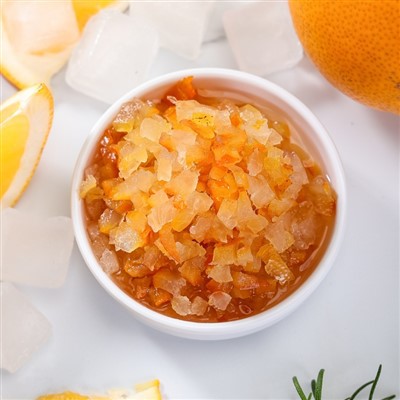
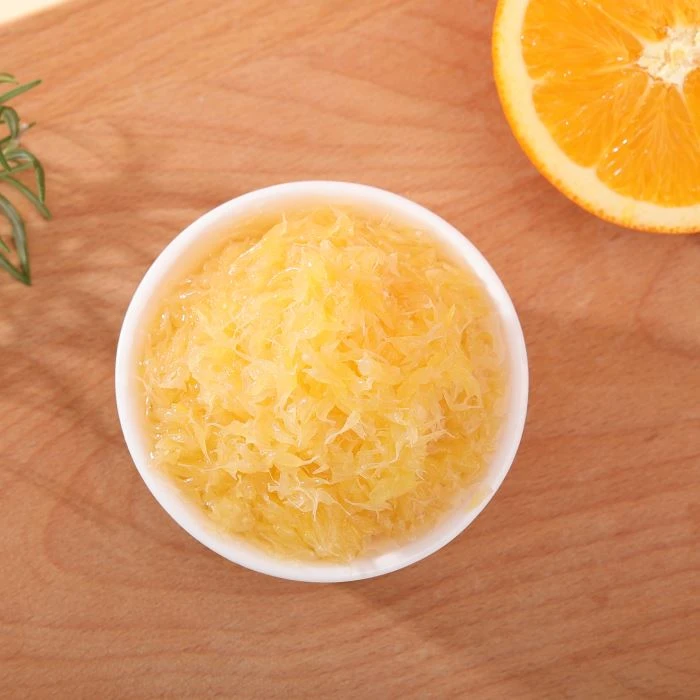
As a supplier of Orange Flesh, I've had the privilege of witnessing its remarkable versatility and potential, especially in the field of medicine. Orange Flesh, the succulent and nutrient - rich part of the orange, is not just a delicious addition to our diets but also holds significant promise for various medical applications.
Nutritional Composition of Orange Flesh
Orange Flesh is a powerhouse of nutrients. It is rich in vitamin C, a well - known antioxidant that plays a crucial role in the immune system. Vitamin C helps stimulate the production of white blood cells, which are essential for fighting off infections and diseases. A single medium - sized orange can provide up to 70 milligrams of vitamin C, which is more than the daily recommended intake for an adult.
In addition to vitamin C, Orange Flesh contains flavonoids such as hesperidin. Hesperidin has been studied for its anti - inflammatory and antioxidant properties. It can help reduce inflammation in the body, which is a contributing factor to many chronic diseases like heart disease, diabetes, and certain types of cancer.
The fiber content in Orange Flesh is also notable. Dietary fiber is important for digestive health. It helps prevent constipation, promotes regular bowel movements, and can even lower cholesterol levels. The pectin in Orange Flesh, a type of soluble fiber, can bind to cholesterol in the digestive tract and prevent its absorption into the bloodstream.
Potential Medicinal Uses
Immune System Support
The high vitamin C content in Orange Flesh makes it an excellent natural immune booster. During the cold and flu season, consuming Orange Flesh can help strengthen the immune system and reduce the severity and duration of illness. Research has shown that vitamin C can enhance the function of immune cells, such as neutrophils and lymphocytes. These cells are responsible for identifying and destroying pathogens in the body.
In a study published in the Journal of the American College of Nutrition, participants who consumed vitamin C supplements (equivalent to the amount in Orange Flesh) had a shorter duration of cold symptoms compared to those who did not. This suggests that Orange Flesh can be a simple and effective way to support the immune system, especially during times of increased susceptibility to illness.
Anti - Inflammatory Effects
As mentioned earlier, the flavonoids in Orange Flesh, particularly hesperidin, have anti - inflammatory properties. Chronic inflammation is associated with a wide range of diseases, including arthritis, heart disease, and Alzheimer's. By reducing inflammation, Orange Flesh may help prevent or manage these conditions.
A study in the European Journal of Nutrition found that hesperidin supplementation reduced markers of inflammation in the body. This indicates that incorporating Orange Flesh into the diet could potentially have a positive impact on reducing the risk of inflammatory diseases. For example, in patients with osteoarthritis, the anti - inflammatory effects of Orange Flesh may help reduce joint pain and swelling.
Cardiovascular Health
Orange Flesh can contribute to cardiovascular health in several ways. The fiber in Orange Flesh helps lower cholesterol levels, which is a major risk factor for heart disease. Soluble fiber binds to bile acids in the digestive tract, which are made from cholesterol. When these bile acids are excreted, the body has to use cholesterol to make new bile acids, thus reducing the overall cholesterol levels in the blood.
The antioxidants in Orange Flesh, such as vitamin C and flavonoids, also help protect the heart. They can prevent the oxidation of low - density lipoprotein (LDL) cholesterol, which is a key step in the development of atherosclerosis. Oxidized LDL cholesterol can build up in the arteries, leading to blockages and increasing the risk of heart attack and stroke.
Digestive Health
The fiber in Orange Flesh is essential for maintaining a healthy digestive system. It adds bulk to the stool, making it easier to pass through the intestines. This can prevent constipation and other digestive problems. Moreover, the prebiotic properties of Orange Flesh can promote the growth of beneficial bacteria in the gut. These bacteria play a vital role in digestion, nutrient absorption, and immune function.
A diet rich in fiber, like one that includes Orange Flesh, can also help prevent colon cancer. The fiber helps keep the colon clean and reduces the exposure of the colon lining to potential carcinogens.
Orange Flesh in Pharmaceutical and Nutraceutical Products
The potential of Orange Flesh in medicine has not gone unnoticed by the pharmaceutical and nutraceutical industries. Orange Flesh can be processed into various forms, such as extracts, powders, and capsules, for use in these products.
Orange Flesh extracts can be used in supplements for immune support. These supplements can provide a concentrated dose of vitamin C and other beneficial compounds in Orange Flesh. They are convenient for people who may not be able to consume enough oranges in their diet.
In the nutraceutical field, Orange Flesh can be used in functional foods and beverages. For example, Orange Flesh powder can be added to smoothies, yogurt, or cereal to enhance their nutritional value. These products can offer consumers a delicious and easy way to incorporate the health benefits of Orange Flesh into their daily lives.
Different Forms of Orange - Related Products
When considering the use of Orange Flesh in medicine, it's also important to mention related products like Orange Pulp Cells and Orange Pulp. Orange Pulp Cells are the individual cells that make up the Orange Flesh. They can be isolated and studied for their specific biochemical properties. These cells may contain unique combinations of nutrients and bioactive compounds that could have even more targeted medicinal effects.
Orange Pulp, on the other hand, is a more general term that includes the fibrous and juicy parts of the orange. It can be used in a similar way to Orange Flesh in food and nutraceutical applications. Orange Pulp also retains many of the beneficial nutrients and fiber found in Orange Flesh, making it a valuable ingredient for promoting health.
Why Choose Our Orange Flesh
As a supplier of Orange Flesh, we take pride in offering high - quality products. Our Orange Flesh is sourced from carefully selected orange orchards. We ensure that the oranges are grown using sustainable and environmentally friendly practices.
We use advanced processing techniques to preserve the nutritional integrity of Orange Flesh. Whether you need Orange Flesh for pharmaceutical research, nutraceutical product development, or functional food production, we can provide you with the right form and quantity of Orange Flesh.

Our team of experts is also available to offer technical support and advice on how to best utilize Orange Flesh in your products. We understand the importance of quality and consistency in the medical and health industries, and we are committed to meeting your needs.
Contact for Procurement
If you are interested in exploring the potential of Orange Flesh for your medical or health - related products, we invite you to contact us for a procurement discussion. We can provide samples, detailed product information, and competitive pricing. Let's work together to unlock the full potential of Orange Flesh in medicine.
References
- Hemilä, H., & Chalker, E. (2013). Vitamin C for preventing and treating the common cold. Cochrane Database of Systematic Reviews, (1).
- Choi, Y. J., & Lee, S. Y. (2018). Hesperidin: A review of its biological properties and therapeutic potential. Nutrients, 10(10), 1504.
- Brown, L., Rosner, B., Willett, W. W., & Sacks, F. M. (1999). Cholesterol - lowering effects of dietary fiber: A meta - analysis. American Journal of Clinical Nutrition, 69(1), 30 - 42.
- Slavin, J. L. (2004). Dietary fiber and body weight. Nutrition, 20(10 - 11), 93 - 96.