As a citrus juice supplier, I've spent years perfecting the art of creating delicious and refreshing citrus beverages. The journey to making citrus juice taste better is a blend of science, creativity, and a deep understanding of flavor profiles. In this blog, I'll share some valuable insights and techniques that can elevate the taste of citrus juice to new heights.
Selecting the Right Citrus Fruits
The foundation of great citrus juice lies in the quality of the fruits used. Different citrus fruits offer unique flavor profiles, from the tartness of lemons and limes to the sweetness of oranges and grapefruits. When selecting fruits, look for those that are ripe, firm, and have a vibrant color. Ripe fruits are more likely to be juicy and flavorful, while underripe fruits may taste bitter or sour.
For a balanced and complex flavor, consider using a combination of different citrus fruits. For example, mixing orange juice with a splash of lemon or lime juice can add a refreshing tartness and enhance the overall flavor. Experiment with different fruit combinations to find your favorite flavor profile.
Fresh Squeezing for Maximum Flavor
There's nothing quite like the taste of Fresh Squeezed Citrus Juice. Freshly squeezed juice retains more of the natural flavors, vitamins, and antioxidants compared to store-bought juices that may have been pasteurized or contain added preservatives. To get the most flavor out of your citrus fruits, use a manual or electric juicer to extract the juice.
When squeezing the fruits, make sure to roll them on a hard surface before cutting them in half. This helps to break down the cell walls and release more juice. Additionally, use a fine-mesh strainer to remove any seeds or pulp from the juice, resulting in a smooth and clear beverage.
Adding Sweetness and Balance
While the natural sweetness of citrus fruits is one of their defining characteristics, some people may prefer a sweeter juice. To add sweetness to your citrus juice, you can use a variety of natural sweeteners such as honey, agave nectar, or maple syrup. Start by adding a small amount of sweetener and taste the juice to adjust the sweetness level to your liking.
Another way to balance the tartness of citrus juice is by adding a pinch of salt. Salt enhances the flavor of the juice and can make it taste more refreshing. Just a small amount of salt can go a long way in improving the overall taste of the juice.
Incorporating Herbs and Spices
Herbs and spices can add a whole new dimension of flavor to citrus juice. For a refreshing and aromatic twist, try adding a sprig of mint, basil, or rosemary to your juice. These herbs not only add a pleasant aroma but also a subtle flavor that complements the citrus fruits.
Spices such as cinnamon, nutmeg, or ginger can also be used to add warmth and complexity to the juice. You can either add the spices directly to the juice or make a spice syrup by simmering the spices in water and sugar. The spice syrup can then be added to the juice for a more concentrated flavor.
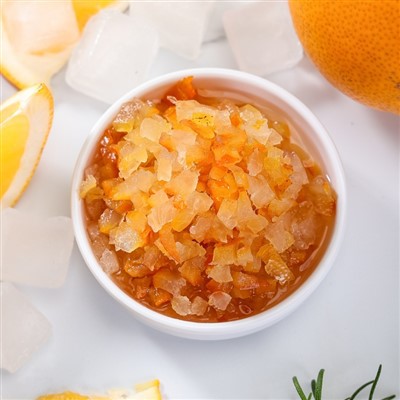
Using Diced Lemon Peel
The peel of citrus fruits contains essential oils that are rich in flavor and aroma. Diced Lemon Peel can be a great addition to citrus juice, adding a burst of citrusy flavor and a hint of bitterness. To use diced lemon peel, simply add a small amount to the juice and let it steep for a few minutes before straining.
The diced lemon peel can also be used as a garnish for the juice, adding a visually appealing element to the beverage. Just make sure to use organic lemons to avoid any pesticides or chemicals on the peel.
Chilling and Serving
To enhance the taste of citrus juice, it's important to serve it chilled. Cold juice is more refreshing and can help to mask any bitter or sour notes. You can chill the juice in the refrigerator for a few hours or add ice cubes to the glass.
When serving citrus juice, consider using a glass with a wide rim to allow the aroma to escape. This can enhance the overall drinking experience and make the juice taste even better. You can also garnish the glass with a slice of citrus fruit or a sprig of herb for a more visually appealing presentation.


Pairing with Other Ingredients
Citrus juice can be paired with a variety of other ingredients to create delicious and refreshing beverages. For a classic combination, try mixing citrus juice with sparkling water to create a fizzy and refreshing drink. You can also add a splash of fruit juice or a shot of liquor to create a more complex and flavorful cocktail.
Citrus juice can also be used as a base for smoothies, salad dressings, or marinades. The tartness of the juice can help to balance the flavors of other ingredients and add a refreshing twist to the dish.
Conclusion
Making citrus juice taste better is all about experimentation and creativity. By selecting the right fruits, using fresh squeezing techniques, adding sweetness and balance, incorporating herbs and spices, using diced lemon peel, chilling and serving properly, and pairing with other ingredients, you can create a delicious and refreshing citrus beverage that is sure to impress.
As a citrus juice supplier, I'm passionate about providing high-quality and delicious citrus juices to my customers. If you're interested in purchasing our Fresh Sweet Citrus Juice or have any questions about our products, please don't hesitate to contact me for a procurement discussion. I look forward to hearing from you!
References
- "The Science of Citrus Flavor." Journal of Food Science, vol. 75, no. 3, 2010, pp. R55-R62.
- "Herbs and Spices: The Flavorful World of Botanicals." Food & Nutrition Magazine, vol. 116, no. 4, 2015, pp. 24-29.
- "The Art of Mixology: Creating Delicious Cocktails." Bartender's Guide, 2nd ed., 2018, pp. 123-145.