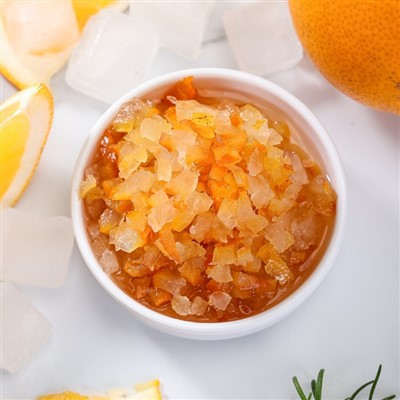
As a supplier of Citrus Peel Strips, I've had the privilege of witnessing the diverse applications and growing demand for these versatile products. Whether it's for culinary arts, beverage enhancement, or even in the realm of natural remedies, citrus peel strips add a unique zest and flavor profile that's hard to replicate. In this blog, I'll share the best ways to cut citrus peel strips, ensuring you get the most out of this natural ingredient.


Understanding the Basics of Citrus Peel
Before delving into the cutting techniques, it's essential to understand the different parts of the citrus peel. The outermost layer, known as the zest, is rich in essential oils that carry the intense citrus flavor. Beneath the zest lies the pith, which is the white, spongy layer. While the pith can be bitter, it also contains some flavor compounds. Depending on your intended use, you may want to include more or less of the pith in your peel strips.
Tools of the Trade
To cut perfect citrus peel strips, you'll need the right tools. Here are some options:
- Zester or Microplane: These tools are ideal for removing thin strips of zest. They're great for adding a burst of citrus flavor to dishes without the bitterness of the pith. You can find them in most kitchenware stores.
- Peeler: A vegetable peeler or a citrus peeler can be used to cut wider and longer strips of peel. They're suitable for applications where you want a more substantial piece of peel, such as for garnishing cocktails or making Candied Citrus Peel.
- Sharp Knife: A sharp paring knife gives you more control over the thickness and shape of the peel strips. It's a versatile tool that can be used for various cutting techniques.
Step-by-Step Guide to Cutting Citrus Peel Strips
Using a Zester or Microplane
- Prepare the Citrus: Wash the citrus fruit thoroughly to remove any dirt or wax from the surface.
- Hold the Zester: Hold the zester or microplane firmly in one hand. Place the citrus fruit in the other hand.
- Zest the Fruit: Gently rub the zester or microplane along the surface of the citrus fruit, applying light pressure. Move the zester in a downward motion, following the contour of the fruit. Be careful not to press too hard, as you only want to remove the zest and not the pith.
- Collect the Zest: As you zest the fruit, the zest will collect on the zester or microplane. You can use a small brush or your fingers to remove the zest and transfer it to a bowl or container.
Using a Peeler
- Prepare the Citrus: Wash the citrus fruit and dry it with a clean towel.
- Hold the Peeler: Hold the peeler in one hand and the citrus fruit in the other. Position the peeler at the top of the fruit, near the stem end.
- Peel the Fruit: Apply gentle pressure to the peeler and start peeling the fruit in a downward motion. Try to keep the peel as long and wide as possible. You can adjust the pressure to control the thickness of the peel.
- Cut the Strips: Once you have removed the peel, use a sharp knife to cut the peel into strips of the desired width. You can cut the strips into thin or thick strips, depending on your preference.
Using a Sharp Knife
- Prepare the Citrus: Wash the citrus fruit and place it on a cutting board.
- Cut off the Ends: Use a sharp knife to cut off the top and bottom of the citrus fruit. This will create a flat surface for the fruit to sit on.
- Remove the Peel: Hold the fruit firmly in one hand and use the knife to cut the peel away from the fruit, following the contour of the fruit. Start at the top and work your way down, removing the peel in large sections.
- Cut the Strips: Once you have removed the peel, place it on the cutting board and use the knife to cut the peel into strips of the desired width. You can cut the strips into thin or thick strips, depending on your preference.
Tips for Cutting Perfect Citrus Peel Strips
- Choose the Right Citrus: Different citrus fruits have different peel thicknesses and flavors. Choose a citrus fruit that is ripe and has a smooth, blemish-free skin. Oranges, lemons, limes, and grapefruits are all popular choices for making citrus peel strips.
- Keep the Knife Sharp: A sharp knife will make it easier to cut the peel and prevent it from tearing. Make sure to sharpen your knife regularly to ensure a clean cut.
- Practice Makes Perfect: Cutting citrus peel strips takes practice. Don't be afraid to experiment with different techniques and tools to find the method that works best for you.
- Store the Peel Properly: If you're not using the citrus peel strips immediately, store them in an airtight container in the refrigerator. They can last for up to a week in the refrigerator.
Applications of Citrus Peel Strips
Citrus peel strips have a wide range of applications in the culinary world. Here are some popular uses:
- Cooking: Citrus peel strips can be added to a variety of dishes, such as salads, soups, stews, and desserts. They add a bright, citrusy flavor and a pop of color to the dish.
- Beverages: Citrus peel strips are commonly used to garnish cocktails, mocktails, and hot beverages. They can also be used to infuse flavor into syrups, liqueurs, and teas.
- Baking: Citrus peel strips can be used in baking to add a citrusy flavor to cakes, cookies, bread, and pastries. They can be added to the batter or used as a topping.
- Preserves: Citrus peel strips can be candied or made into preserves, such as marmalade or jam. They can be used as a spread on toast, crackers, or sandwiches.
Conclusion
Cutting citrus peel strips is a simple yet essential skill that can enhance the flavor and presentation of your dishes and beverages. By following the tips and techniques outlined in this blog, you can cut perfect citrus peel strips every time. Whether you're a professional chef or a home cook, citrus peel strips are a versatile ingredient that can add a touch of freshness and flavor to your creations.
If you're interested in purchasing high-quality Citrus Peel Strips or Organic Citrus Peel Chips, please don't hesitate to contact us for a procurement discussion. We're committed to providing the best products and services to meet your needs.
References
- "The Science of Cooking with Citrus." Food Science Journal, Vol. 12, No. 3, 2020.
- "Citrus Fruit: A Comprehensive Guide to Selection, Storage, and Use." Cooking Magazine, June 2019.
- "The Art of Garnishing with Citrus Peel." Bartending Quarterly, Vol. 8, No. 2, 2018.