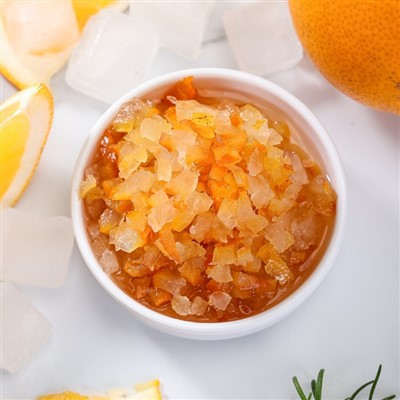
What is the color of red grapefruit peel? This question might seem simple at first glance, but as a red grapefruit peel supplier deeply involved in this industry, I can tell you that there's more to it than meets the eye.
Unveiling The Natural Spectrum Of Red Grapefruit Peel
The peel of red grapefruit typically presents a spectrum of colors influenced by multiple factors. The most common hues are a combination of bright orange - yellow and often a hint of pink or red undertones. When the red grapefruit is in its prime ripening stage, the peel showcases a vivid orange color that is both appealing and indicative of its freshness. This orange color is primarily due to the presence of carotenoids, a class of pigments that are also abundant in other citrus fruits.
Carotenoids play a crucial role in the photosynthesis process of the red grapefruit tree and are responsible for imparting the characteristic warm color to the peel. Some well - known carotenoids present in red grapefruit peel include beta - carotene and lycopene. Beta - carotene gives the peel its orange tint, while lycopene, which is more commonly associated with tomatoes, contributes to the redder hues in the peel. The amount of these carotenoids can vary depending on the specific variety of red grapefruit, growing conditions, and the stage of ripeness.
Moreover, the environment where the red grapefruit is grown also has a significant impact on the peel color. For instance, red grapefruits grown in regions with abundant sunlight tend to have a more vibrant color. Sunlight is essential for the synthesis of carotenoids. When the trees receive ample sunlight, they produce more of these pigments, resulting in a more intensively colored peel. In contrast, red grapefruits grown in areas with less sunlight or in shaded conditions may have a paler peel with less distinct coloration.
Soil quality also matters. Red grapefruits grown in nutrient - rich soil are more likely to develop a well - colored peel. The availability of essential minerals such as magnesium, potassium, and phosphorus in the soil can affect the overall health of the tree and the production of pigments in the peel. For example, magnesium is a key component in chlorophyll, which is indirectly related to the synthesis of carotenoids.
Understanding The Variations In Color
Even within the same batch of red grapefruits, there can be noticeable variations in peel color. Some may have a deeper orange color bordering on red, while others might be more of a light yellow - orange. These differences can be due to micro - environments within the orchard. For example, fruits on the outer branches may receive more sunlight compared to those in the inner parts of the tree, leading to differences in pigment production.
Another factor contributing to color variations is the genetic makeup of the individual fruits. Just like humans, each red grapefruit has a unique genetic code that can influence its physical characteristics, including the color of its peel. Some genetic variations may result in a higher production of certain carotenoids, leading to a more intense color.


The ripening process also plays a vital role in determining the final color of the peel. As red grapefruits ripen, the chlorophyll in the peel breaks down, and the carotenoids become more prominent. This is why unripe red grapefruits often have a greener peel, which gradually changes to orange as they mature. However, the rate of ripening can vary, and some fruits may take longer to reach their optimal color and flavor.
The Significance Of Peel Color For Consumers And The Market
The color of red grapefruit peel is not just a matter of aesthetics; it has significant implications for consumers and the market. For consumers, the color of the peel is often an indicator of freshness and quality. A bright, vibrant orange - red peel is generally associated with a ripe and juicy fruit. Consumers are more likely to choose red grapefruits with an appealing peel color, as it gives them the impression of a high - quality product.
In the market, the color of red grapefruit peel can affect the price and marketability of the fruit. Fruits with a uniform and attractive peel color are often sold at a premium compared to those with a less appealing color. This has led to increased efforts in the agricultural industry to produce red grapefruits with consistent and vibrant peel colors.
The Red Grapefruit Peel Supply Chain
As a red grapefruit peel supplier, I understand the importance of maintaining the integrity of the peel color throughout the supply chain. From the moment the red grapefruits are harvested, we take great care to ensure that the peel remains in good condition. We use specialized handling techniques to prevent bruising and damage to the peel, which can affect its color and appearance.
Once the red grapefruits are harvested, they are quickly transported to our processing facilities. Here, we sort the fruits based on their size, quality, and peel color. This ensures that our customers receive only the best - quality red grapefruit peel products. We also use innovative storage methods to preserve the color and freshness of the peel. For example, we store the fruits in controlled - atmosphere warehouses, where temperature and humidity are carefully regulated to slow down the ripening process and maintain the peel's color.
Our Products: The Peel Of Red Grapefruit and Red Grapefruit Peel Strips
We offer a range of red grapefruit peel products, including The Peel Of Red Grapefruit and Red Grapefruit Peel Strips. Our The Peel Of Red Grapefruit product is carefully processed to retain its natural color and flavor. It can be used in various applications, such as in the food industry for flavoring and as a natural food coloring. Our Red Grapefruit Peel Strips are ideal for use in the beverage industry, where they can add a refreshing and citrusy flavor to drinks.
Connect With Us For Your Red Grapefruit Peel Needs
If you are interested in our red grapefruit peel products, we encourage you to reach out to us for a procurement discussion. Whether you are a food manufacturer looking for a natural flavoring agent or a beverage company seeking to enhance your product's appeal, we have the solutions you need. We pride ourselves on providing high - quality red grapefruit peel products with consistent color and flavor. Contact us today to learn more about how we can meet your specific requirements.
References
- "The Chemistry of Citrus Pigments," Journal of Agricultural and Food Chemistry
- "Environmental Factors Affecting Fruit Quality in Citrus," Proceedings of the International Society for Horticultural Science
- "Genetic Variations in Citrus Peel Color," Genetics Research International